Iceland’s referendum on Europe: what’s the problem?

Donald Trump’s renewed fascination with Brussels and his Arctic ambitions, but sovereignty over marine resources remains the main obstacle.
Read Nanni Schiavo’s first article on the referendum in Iceland by clicking on the link
On 29 August, Iceland will return to the polls to vote on an issue that has divided the country since 2009 or 2013, but the stakes have never been higher. The referendum on reopening negotiations for accession to the European Union is a decision about the place Reykjavík wants to occupy in the world.
Geopolitical developments: Trump, Greenland and the Arctic
The real catalyst lies in Donald Trump’s tariff policies – with new 15 per cent tariffs on various Icelandic products – which have highlighted Iceland’s vulnerability to the unilateral decisions of others. Added to this are Washington’s ambitions regarding neighbouring Greenland. Greenland is a long way away for us, but for Icelanders it is very close.
In an Arctic region undergoing a major rearmament drive, where the race for new northern sea routes and marine resources is gathering pace, the idea that Iceland can simply continue to ‘sit in the middle’ between the United States and Europe seems increasingly untenable.
The government’s message, then, is that the EU is no longer merely a market, but a force that amplifies political influence. Only by participating in the EU can Iceland secure ‘sufficient clout’ in the competition for control of the Far North.
The vote on 29 August also serves to enable the government to resolve a dispute that has long polarised public opinion, turning a foreign policy issue into a major domestic political manoeuvre. On the one hand, integration is proposed to protect incomes; on the other, isolation is proposed to protect fishing fleets.
The referendum will not simply ask Icelanders what they think of Brussels, but will force the country to choose which vulnerability to tackle first: its international vulnerability in a turbulent world, or its national vulnerability relating to sovereignty over fisheries.
Economic considerations and the need for stability, as well as extremely rapid access to the EU
The ‘yes’ campaign is focusing on two issues that are of very practical concern to Icelandic families: inflation and the cost of living. The centre-left government is seeking to capitalise on a window of opportunity in public opinion, which is currently more favourable towards a European peg, in order to escape price volatility.
In a small-scale economy such as Iceland’s, which is heavily dependent on exports and tourism, the value of the Icelandic króna soon reaches its limits. The prospect of joining the euro is the only safeguard against economic fluctuations and the risk of commercial isolation.
In Iceland, as in Norway, there is a sense of frustration at having no say in European decision-making processes; at present, Reykjavík is profoundly influenced by these processes, yet is unable to participate in them democratically. Such is the sad fate of countries that are geographically part of Europe but not yet members of the European Union. But every cloud has a silver lining: Iceland could gain very rapid access to the European Union, precisely because its body of legislation already largely complies with continental standards.
Fishing and the spectre of the ‘cod wars’
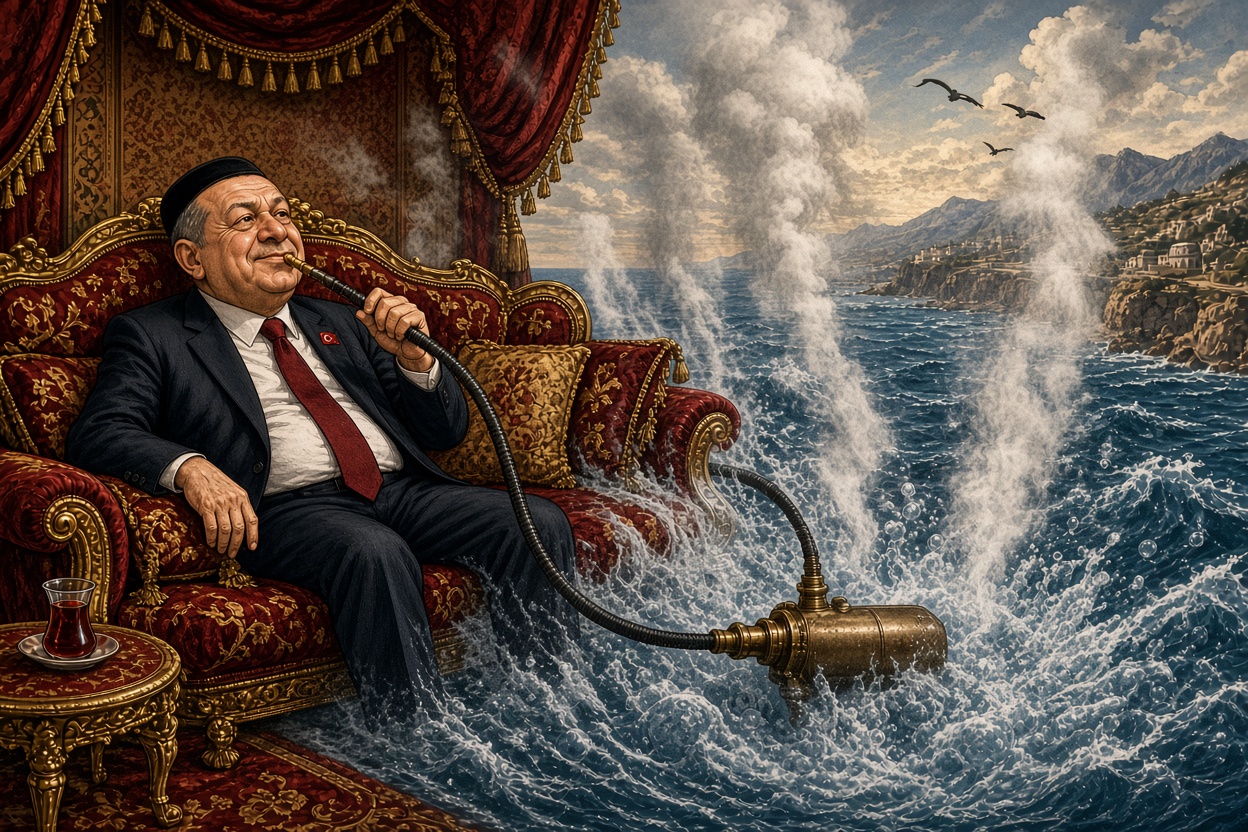
Whilst the economy draws us towards Europe, the sea lies between us and Iceland. In the country’s collective memory, any discussion of joining the European Union is met with fears of ceding sovereignty over fishing and fish stocks.
In Iceland, the management of territorial waters is not a technical matter, but the very definition of national independence.
This image was forged during the Cod Wars – the three cod wars fought against the United Kingdom between 1958 and 1976. Icelandic fishing vessels and the coastguard clashed with the Royal Navy, resorting to cutting nets and ramming manoeuvres to force the expansion of the fishing zone from 4 to 200 nautical miles. That naval and diplomatic victory, achieved by threatening to close the strategic NATO base at Keflavík, cemented this idea of ‘mare lorum’ in people’s minds.
For the rural electorate and critics of accession, joining the European market is tantamount to handing over to Brussels control of marine resources for which Iceland has already fought and won on its own.
Despite this, there are indications from Brussels that Reykjavík may be granted special exemptions during any negotiations, but the fear of having to share fishing quotas remains the most difficult issue to overcome.
Ultimately, the referendum will determine whether Iceland wishes to defend its autonomy at all costs, even if it means remaining on the fringes of Europe, or whether it prefers to seek a new form of cooperation within the EU at such an unstable time.