Alireza Sepahi, sentenced to be hanged: the perversion of the Ayatollahs’ executioner state
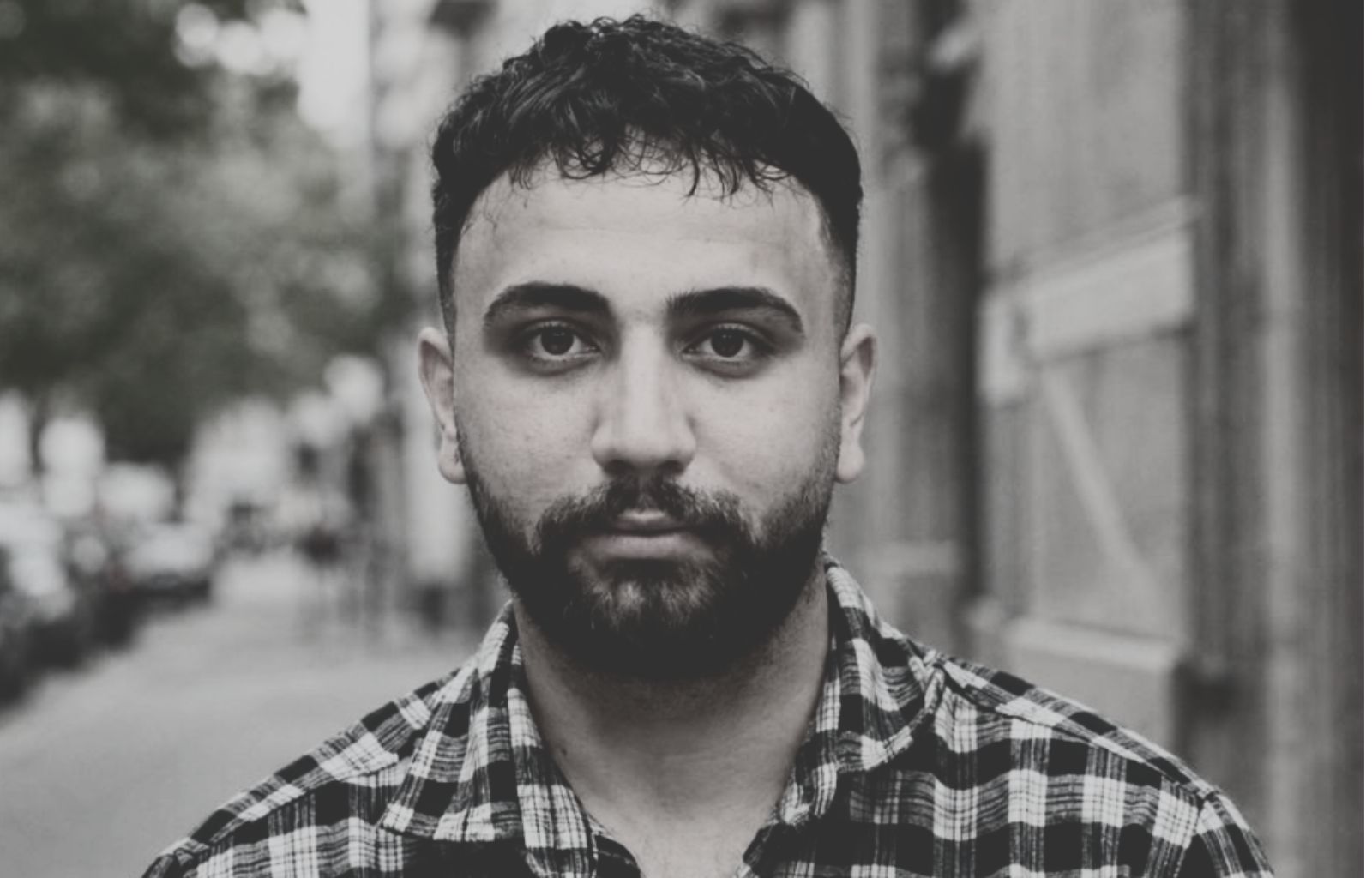
There are stories that do more than simply illustrate the brutality of a dictatorship. There are stories that reveal the extent to which a state can subjugate the law, medicine and institutions to the logic of terror. The story of Alireza Sepahi, a 25-year-old Iranian man who was arrested during the January 2026 protests in Iran and executed at Isfahan Central Prison on 5 October, is one such story.
Alireza is not merely one of the thousands of victims of the Islamic Republic’s repression. His story contains a detail that reveals the full extent of the cruelty of the Ayatollahs’ theocratic dictatorship.
A few days before he was taken to the gallows, his body had given out. According to accounts gathered by activists and family members, a serious medical emergency — probably a stroke or a heart attack — had brought him to the brink of death. This was not caused solely by the torture and long periods of solitary confinement. His physical and mental state was also taken to the limit by the daily horror of prison life, where he was forced to witness the preparations for the executions of other political prisoners, including his own cousin.
In any state that retains even a shred of legal civilisation, such an event would have necessitated the suspension of enforcement proceedings and the immediate protection of the detainee. In the Islamic Republic, however, the opposite occurred.
The regime takes him in, treats him and revives him. Not to save his life. Not to restore his dignity. But to ensure that it is the executioner who carries out the sentence. The apparatus of the theocratic state has used medicine not to heal the individual, but to ensure the torture is carried out to perfection.
The cruelty of the situation becomes even more apparent when one considers the personal story of Alireza and his partner, Mahshad Kashani. Mahshad, too, was detained for having demonstrated in January for her most basic rights: first and foremost, to finally be free to choose. The couple managed to get married whilst they were both in prison, celebrating their wedding remotely via a telephone call. Without ever being able to embrace each other, without being able to touch each other, without being able to experience, even for a moment, the normality that every couple should have the right to enjoy. And whilst they were denied even the chance to touch hands, the theocratic bureaucracy was meticulously preparing their hanging.
This issue is not just about Iran. It also concerns Europe and the very credibility of the concept of the rule of law and the promotion of human rights.
Between 8 and 9 January, the Iranian regime brutally suppressed the popular protests, resulting in a staggering number of casualties and arrests as part of a wider campaign of repression against the movement that emerged following the killing of Mahsa Amini.
Today, the very same leaders of the Islamic Republic claim to be lecturing the West on democracy and accuse the French government of failing to respect students’ freedom of assembly.
We are witnessing a veritable subversion of reality. A theocracy that hangs dissidents, persecutes women, imprisons political opponents and uses medicine to send a prisoner back to the gallows is attempting to present itself as a defender of rights and to accuse the cradle of the rule of law of practices that, in fact, belong to its own repressive system. It is the same logic that leads executioners to dress as victims and persecutors to present themselves as guarantors of freedom.
Marco Pannella taught us that the fight against the death penalty and the right to knowledge are not merely peripheral or humanitarian struggles: they lie at the very heart of democracy. For where those in power can kill in silence, manipulate the facts and rewrite the truth, no freedom is truly safe.
Alireza Sepahi was twenty-five years old. He was killed by a state that fears its own young people, that regards dissent as an existential threat, and that has turned the death penalty into a routine instrument of governance. Remembering Alireza Sepahi is not merely a matter of paying tribute to a victim. It means defending that Right to Knowledge. Because the primary ally of dictatorships is not the noose. It is silence.