The Flotilla rejects Pizzaballa’s proposal: better theatrics than helping Gaza?

Not of bread, but of provocations lives the Flotilla. Not of water and medicines, but of cameras and press releases. Because if the objective had really been to help the people of Gaza, the convoy would have said yes to Cardinal Pierbattista Pizzaballa, Latin Patriarch of Jerusalem, who had offered to deliver the aid safely and directly. Instead he said no. And that ‘no’ is worth more than a thousand proclamations: it certifies that the mission is not humanitarian, but scenic.
The Global Sumud Flotilla, which presents itself as a band of generous civilians ready to defy the Israeli blockade in order to deliver supplies essential to the survival of the people of Gaza, actually rests on a paradox: the more viable the solution, the more it must be rejected. The Italian government with the collaboration of the Holy See had found a clear, concrete way, almost banal in its effectiveness: land the supplies in Cyprus, entrust them to the Latin Patriarchate and allow them to be distributed through the humanitarian channels already in place. A certified, secure and ‘pro-Palestinian’ logistics chain, but accepted by Israel.
The Patriarch as a credible guarantor
The Patriarch, after all, is not an improvised actor. After the bombing of the Church of the Holy Family, Pizzaballa entered Gaza with a load of medicines and provisions, reminding and showing with facts that the Latin Church remains a point of reference for Palestinian civilians. Not a conference pacifist, but a man who crossed the checkpoints and spoke to those who are really suffering.
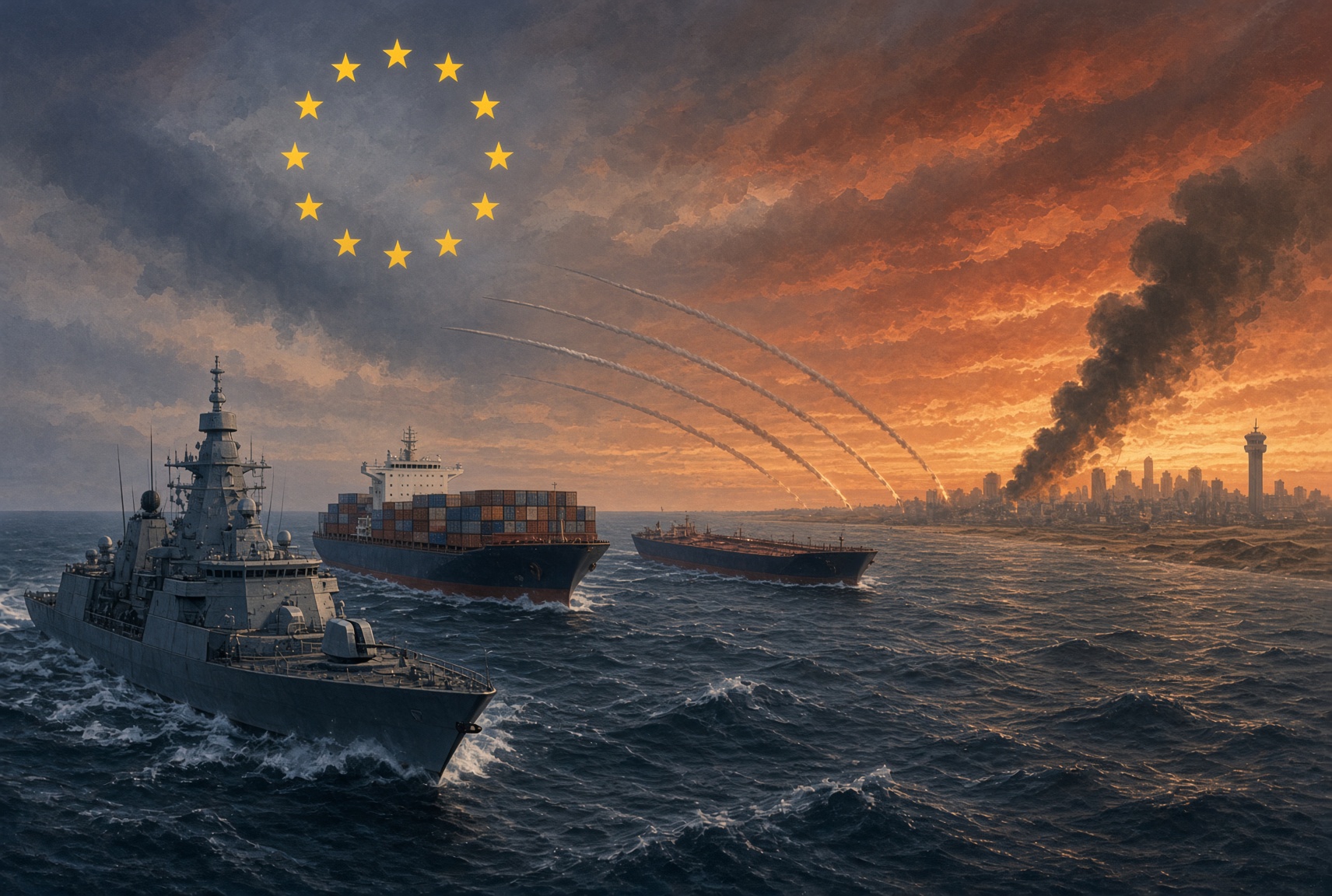
Defence Minister Guido Crosetto, meanwhile, put the issue back on the tracks of reality, explaining to the Italian parliament that the Italian navy is only following the Flotilla to protect its compatriots and certainly not to escort a provocative and vague operation. Madrid has also adopted the same line, with a symbolic and prudent dispatch, with no intention of creating a naval tug-of-war with Israel.
From bread to propaganda
Yet, faced with the possibility of delivering aid immediately, the Flotilla reaffirmed its mission: ‘Our mission remains true to our original goal of breaking the illegal siege‘. Not the delivery, then, but the political gesture. Not the parcels of rice and flour, but the photo opportunity of a boat attempting to force the blockade. The choreography, in short.
Here is the contradiction: families in Gaza would need food and medicine immediately, but the Flotilla prefers to turn every tonne of supplies into symbolic fuel to feed its narrative. The Patriarch, with his humanitarian networks, could have gotten the aid to the people. Flotilla said no.