Metro systems linking Europe
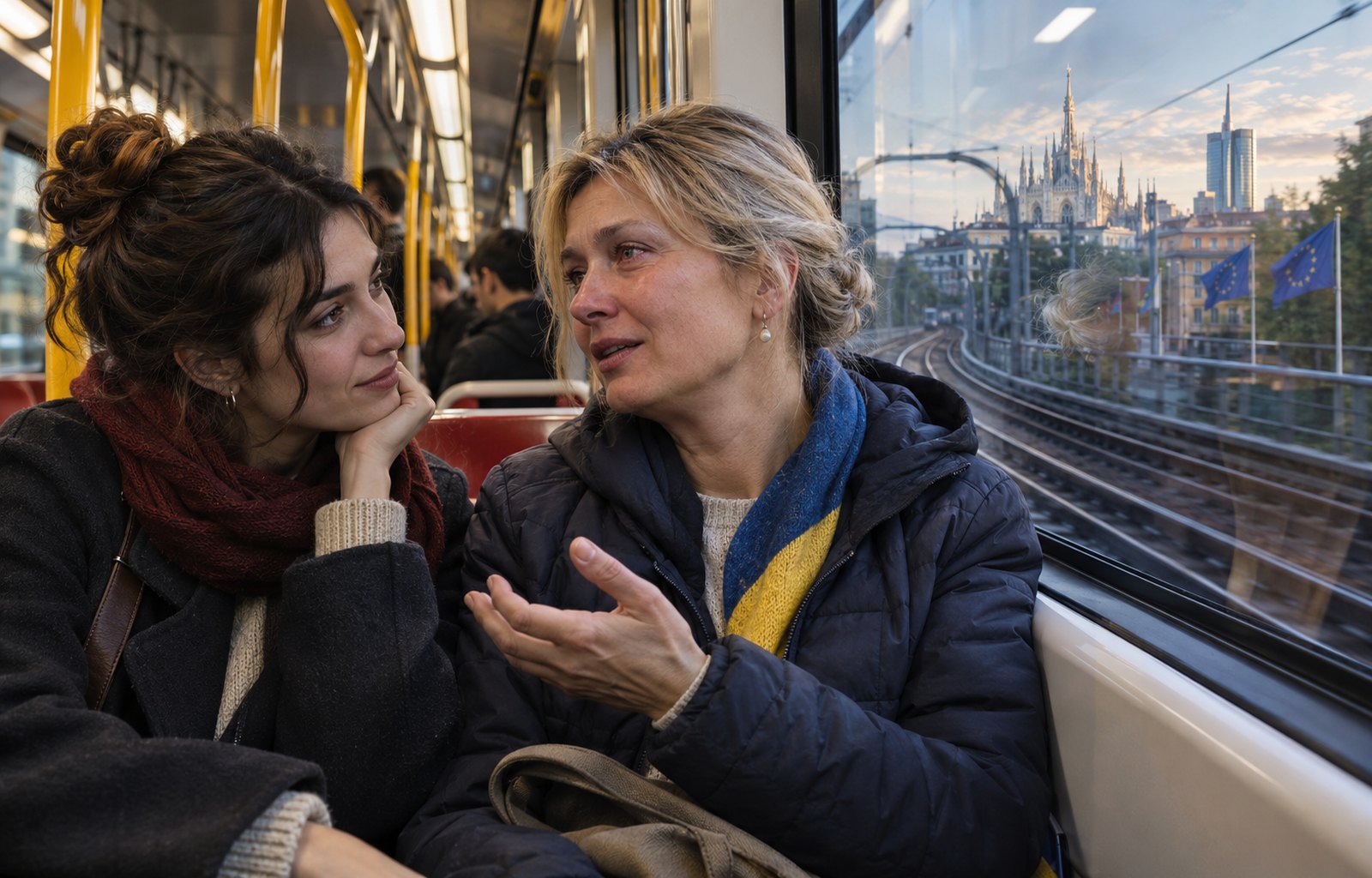
In June, on my way back from Linate, I sat on the underground with a heavy heart. I had just said goodbye to my husband, who, like me, is Italian and has been living and working in Sweden for three years: our relationship unfolds across two countries, punctuated by flights and farewells. Next to me is a middle-aged lady who, with a strong Eastern European accent, asks me for some information. We start chatting.
She tells me she is Ukrainian, that she has been living and working in Italy for years, and that her family is scattered across Italy, France and Ukraine. At first, her story resembles mine: a life spent apart, travelling back and forth across Europe. Until she bursts into tears and explains to me: her daughter lives in France not by choice but because, since the war broke out, she has been a refugee there with a young child; her son has stayed in Ukraine and is at the front.
I, who just a moment ago was feeling sad at having to say goodbye, am almost ashamed of my sadness. The only thing I can say is ‘thank you’.
Two European lives caught between freedom and war
Two European lives, yet worlds apart. Mine, split between Italy and Sweden, is all about freedom: you can move around without permits, work wherever you like, and see each other again with just a plane ticket. His, torn apart by war.
Ever since then, I often find myself wondering what words like ‘freedom’ and ‘democracy’ really mean, and how, in this day and age, one can not only believe in them but also defend them and put them into practice. That lady’s tears were like a wake-up call: they reminded me that these aren’t just pretty words for a magazine cover, but are made up of sweat, sacrifice and struggle.
A few decades ago, European states were at war with one another. The Union was created precisely to make such wars unthinkable, by first pooling coal and steel, then markets, currency and borders. And with them, values and principles too: respect for human rights, equality, social and civil rights, democracy and freedom.
An incomplete Union and the burden of vetoes
And yet, today, the whole thing is starting to fall apart.
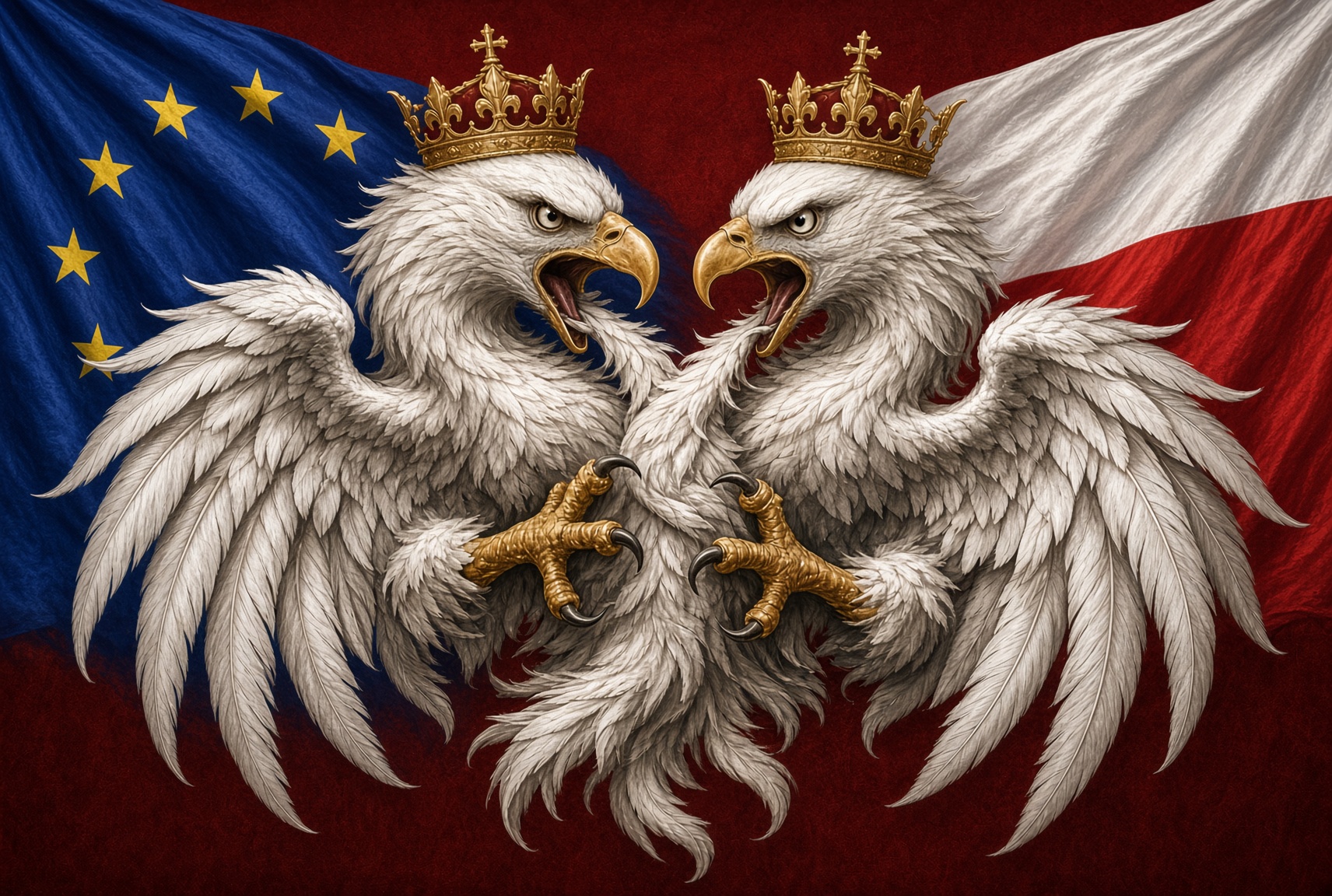
Personally, I believe this is because the European Union is a half-baked, incomplete union, and those lofty principles are in danger of remaining nothing more than empty words.
If strategic and urgent decisions require the consensus of all, and a single state’s veto is enough to block the others, the Union will always be too late.
If it cannot find the strength to speak out on the international stage – because, at home, individual states continue to think only of their own interests – it will lose more and more influence abroad and more and more legitimacy at home.
The strength of a united Europe
Yet a strong, resolute Union that remains true to its principles is needed now more than ever. The world is dominated by enormous powers: the United States, Russia and China. They have histories, systems and priorities that are very different from ours, and not all their decisions align with European interests. Russia and China are not democracies, and even in the United States, the main international indices now point to a weakening of democratic safeguards.
On their own, none of our countries carries enough weight to make their voice heard on defence, energy, technology or trade.
Together, we number almost 450 million citizens; together, we are one of the largest and most important markets in the world. Together, we can defend not only our interests, but also the model of democracy and freedom that we have chosen.
And I don’t believe that this unity is a utopian dream: when the political will has been there, we have achieved great things in a relatively short space of time. The euro, for example, and Schengen, which allows my relationship (like that of hundreds of thousands of other people) to remain intact without too much effort.
International crises in everyday life
In short, the war in Ukraine is not over and it is not far away: it is present in a Milan underground station, in a mother’s tears.
The conflict with Iran and the disruption in the Strait of Hormuz are far from over: they are having an impact on a family’s bills and the price of fuel.
Humanitarian crises and human rights abuses still exist around the world: they can be seen in a boat packed with people out at sea and on the trails across the Balkans trodden by those seeking to reach the European Union in search of democracy and freedom.
Get involved to help guide Europe into adulthood
I believe that all this means that citizens are beginning to demand, from the grassroots up, a Europe capable of making decisions and acting together, not just when the house is on fire.
And this demand must be pursued through sustained action, by raising awareness, encouraging people to vote and making use of the instruments of popular initiative.
Next year, important elections await us, both in Italy and in other Member States: it is the duty of each and every one of us to get involved, stay informed, take an active stand and, if we believe in this European Union (which is anything but a ‘historical accident’), call on the political parties to guide Europe towards maturity.
Democracy and freedom are not inherited once and for all: they are renewed every day, from one underground station to the next.