Friedman and the Eurozone: why inflation cannot be tackled solely by tightening credit
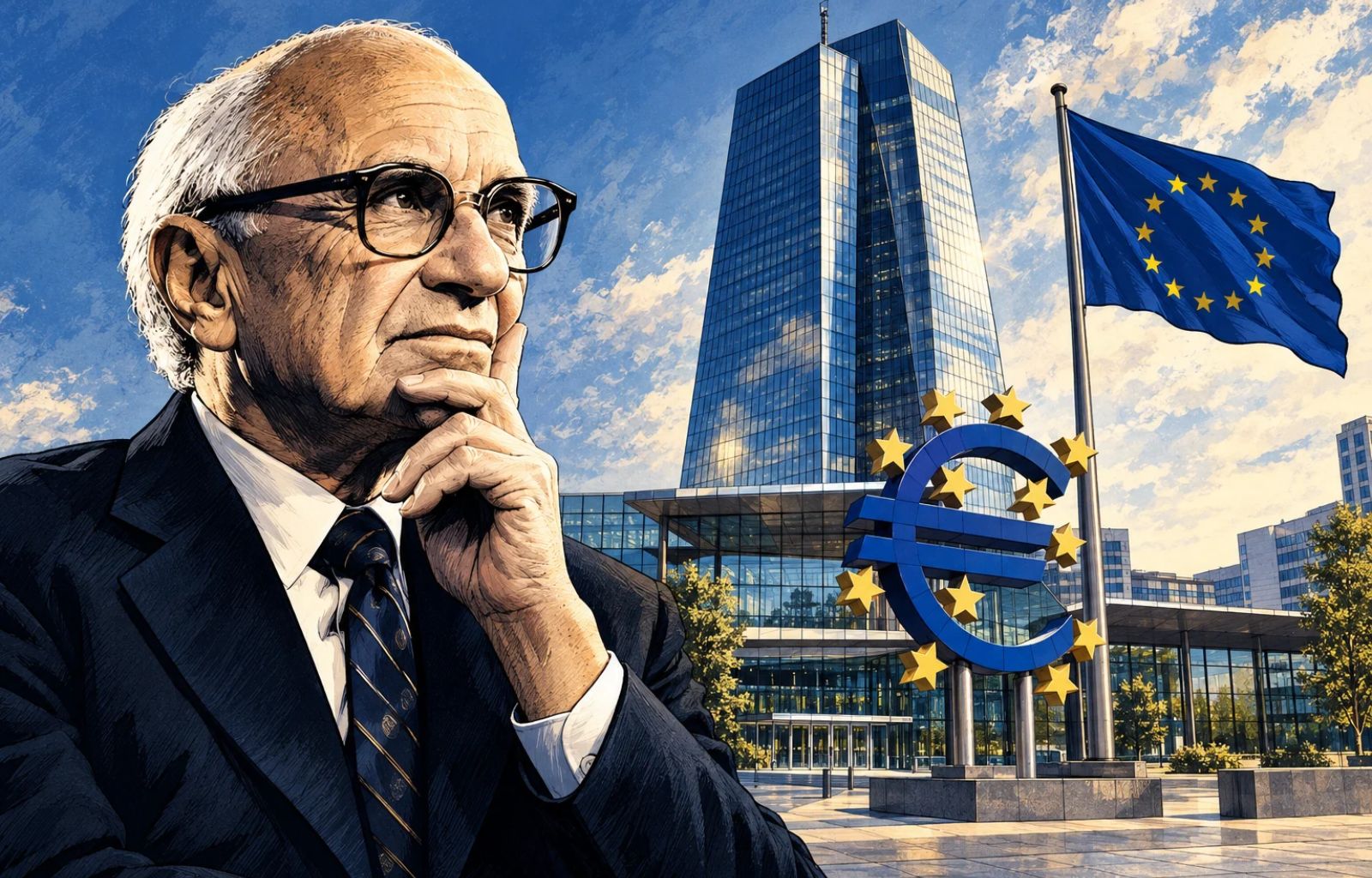
‘Inflation is always and everywhere a monetary phenomenon.’ Milton Friedman ’s famous statement inevitably returns to the centre of the debate whenever prices rise. In today’s Eurozone, however, the issue is not merely a question of how much money is in circulation or how rapidly demand is growing. It also depends on the cost of production, the resources available, and whether businesses are able to finance the investments needed to adapt to shocks. This is the starting point for understanding to what extent a credit crunch, on its own, can be an effective response to inflation.
The limitations of a predominantly monetary interpretation
The monetarist school attributes a central role to the growth of the money supply in explaining persistent inflation. However, focusing solely on monetary dynamics risks providing an incomplete picture.
To understand inflation, we need to consider two factors together: the money supply and the supply of goods and services. The former underpins spending power; the latter determines what the economy is actually capable of producing and purchasing. If the money supply grows faster than output, price pressures may arise. However, price rises can also have non-monetary causes, for example when production costs rise, trade links are disrupted or certain factors of production become scarcer.
This is what is happening today in the eurozone. According to Eurostat’s preliminary estimate, annual inflation rose to 3.8 per cent in September 2026, up from 3.2 per cent in August. Energy stands out in particular, with an increase of 18.8 per cent, whilst inflation excluding energy, food, alcohol and tobacco stands at 2.5 per cent. The ECB itself cites the conflict in the Middle East as a source of the current inflationary pressures.
Monetary policy therefore remains a key part of the explanation, but not the only one. When inflation is also driven by external factors that make production more expensive, the challenge becomes not only to curb demand, but also to preserve the economy’s ability to adapt and to strengthen its productive potential.
When production costs rise and investing becomes more difficult
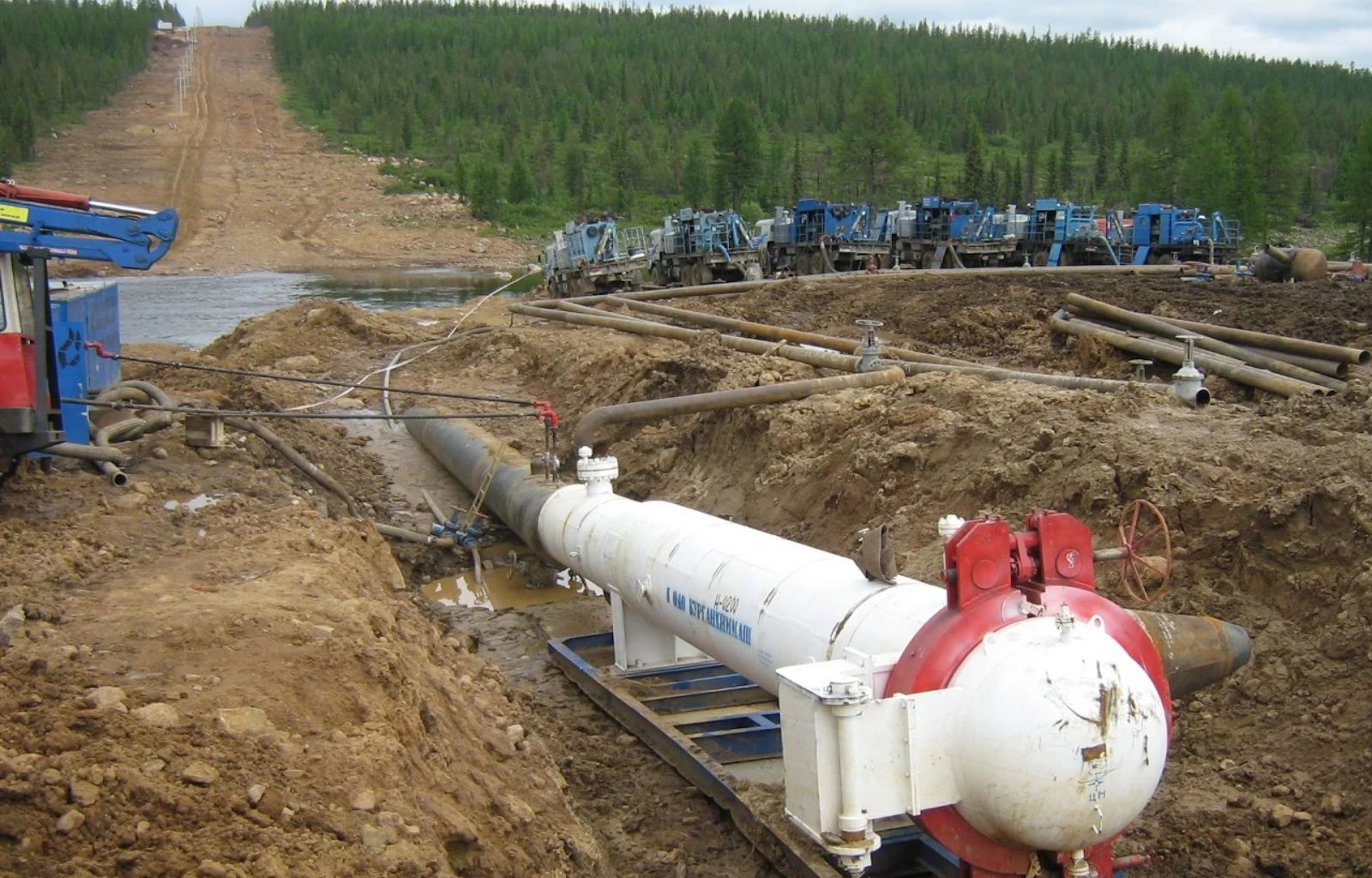
Energy underpins almost every aspect of economic activity: it powers industrial plants, enables transport and supports distribution. When its price rises, the increase can therefore be passed on to many goods and services, even in the absence of rising demand. For an economy such as Europe’s, which remains dependent on energy imports, such a trend has a direct impact on production costs.
Monetary policy can counter the spread of inflationary pressures by curbing demand. On 10 September 2026, the ECB raised its key interest rates by 25 basis points, just as the conflict in the Middle East was fuelling fresh price pressures. However, monetary tightening also affects the cost of borrowing: higher interest rates make loans more expensive and can slow down investment.
This raises the possibility of a double penalty for businesses. On the one hand, energy costs are rising; on the other, it is becoming more expensive to finance the measures needed to reduce them. A business wishing to replace an energy-intensive system, improve its logistics or purchase more efficient machinery may therefore find itself in the paradoxical situation where the investment becomes more urgent just as the credit needed to carry it out becomes less affordable.
ECB data show that in the second quarter of 2026, euro area firms reported a sharp tightening of bank lending rates: the net balance of responses reached 42 per cent, compared with 26 per cent in the previous quarter. The ECB also notes that rising energy costs, combined with tighter credit conditions and greater uncertainty, are likely to weigh on firms’ investment plans. Tackling inflation remains necessary, but care must be taken to ensure that the response does not undermine the very investments capable of reducing, over time, vulnerability to new cost and production pressures.

Curbing demand without reducing supply
Monetary tightening can help to reduce inflation even when inflationary pressures are externally driven, as it limits the risk that initial price rises will be persistently passed on to prices, wages and expectations. However, its effect on production capacity also warrants attention. In the short term, weaker demand can ease pressure on prices; in the medium to long term, however, postponed or cancelled investment may leave unresolved precisely those production constraints that make the economy vulnerable to shocks.
This issue is particularly relevant in Europe. According to the EIB Investment Survey 2025, energy costs represent a barrier to investment for 75 per cent of businesses in the European Union, alongside uncertainty and skills shortages. The EIB also notes that European businesses continue to invest in energy efficiency, diversification and emissions reduction as levers to strengthen future competitiveness. Measures of this kind, alongside investments in electricity grids, production facilities and infrastructure, can reduce costs and bottlenecks for many years to come. However, longevity alone does not guarantee economic viability. A project may survive for a long time without continuing to fulfil the purpose for which it was built: the point is therefore not to finance just any investment, but to select those capable of effectively strengthening productive capacity.
Timing is also important. In the initial phase, an investment increases demand for labour, materials and finance, and may therefore put pressure on prices. The benefits materialise once the project or new capital becomes operational. For this reason, alongside the volume of investment, quality, planning and the ability to generate lasting benefits are also important.

Credit does not finance all investments in the same way
The issue is not just about how much credit is granted, but also to whom and on what terms. A stable income or easily assessable collateral makes it easier to estimate a borrower’s ability to repay. A business that invests in research, new technologies or intangible assets, on the other hand, often has more uncertain revenues and fewer assets to offer as collateral.
Financing conditions can therefore have a direct impact on the decision to invest. An experiment by the European Investment Bank shows that, under more conservative credit conditions, only around one in two businesses would be willing to carry out their planned project; under more favourable conditions, this figure rises to around four in five. Reducing the required guarantees from 100 per cent to 50 per cent also increasesthelikelihood of the investment going ahead by15 percentage points.
This issue becomes even more apparent when it comes to innovative investments. The ECB emphasises that bank financing is structurally less suited to intangible and long-term investments, whilst alternative channels such as venture capital and private credit can play a complementary role.
Prudence remains essential: not every risky project deserves to be financed, and public support should not turn into an indiscriminate socialisation of losses. However, a development-oriented financial system must be capable of distinguishing between unproductive risk and the uncertainty associated with investments that can create new productive capacity. Responsibility for lending therefore also extends to the quality of the investments that the financing makes possible.
Beyond Friedman: where credit flows matters too
Friedman remains an essential point of reference because he reminds us that monetary dynamics cannot be ignored when analysing inflation. But the Eurozone’s recent experience also highlights the limitations of a response focused primarily on controlling demand. When price rises stem largely from energy costs, supply chains and international tensions, tightening credit may help to limit their spread, but it also risks slowing down the investment needed to make the economy less vulnerable to such shocks.
The issue, therefore, is not merely a question of how much money is created, but also of how it is used. Financing current consumption, research, energy efficiency or infrastructure has very different effects on future productive capacity. Credit channelled towards efficient investments can, over time, help to reduce costs and supply constraints.
This does not mean replacing prudence with an indiscriminate expansion of credit, but rather complementing monetary stability with industrial, energy and financial policies capable of strengthening the productive system and supporting investments that yield greater economic benefits. Monetary policy is responsible for preventing what are initially temporary pressures from turning into persistent inflation; other policies are responsible for addressing the conditions that make the economy more robust and less vulnerable. Price stability also depends on the strength of the supply that the economy is able to generate.