Bail for demonstrating: a crazy shit (semicit.)

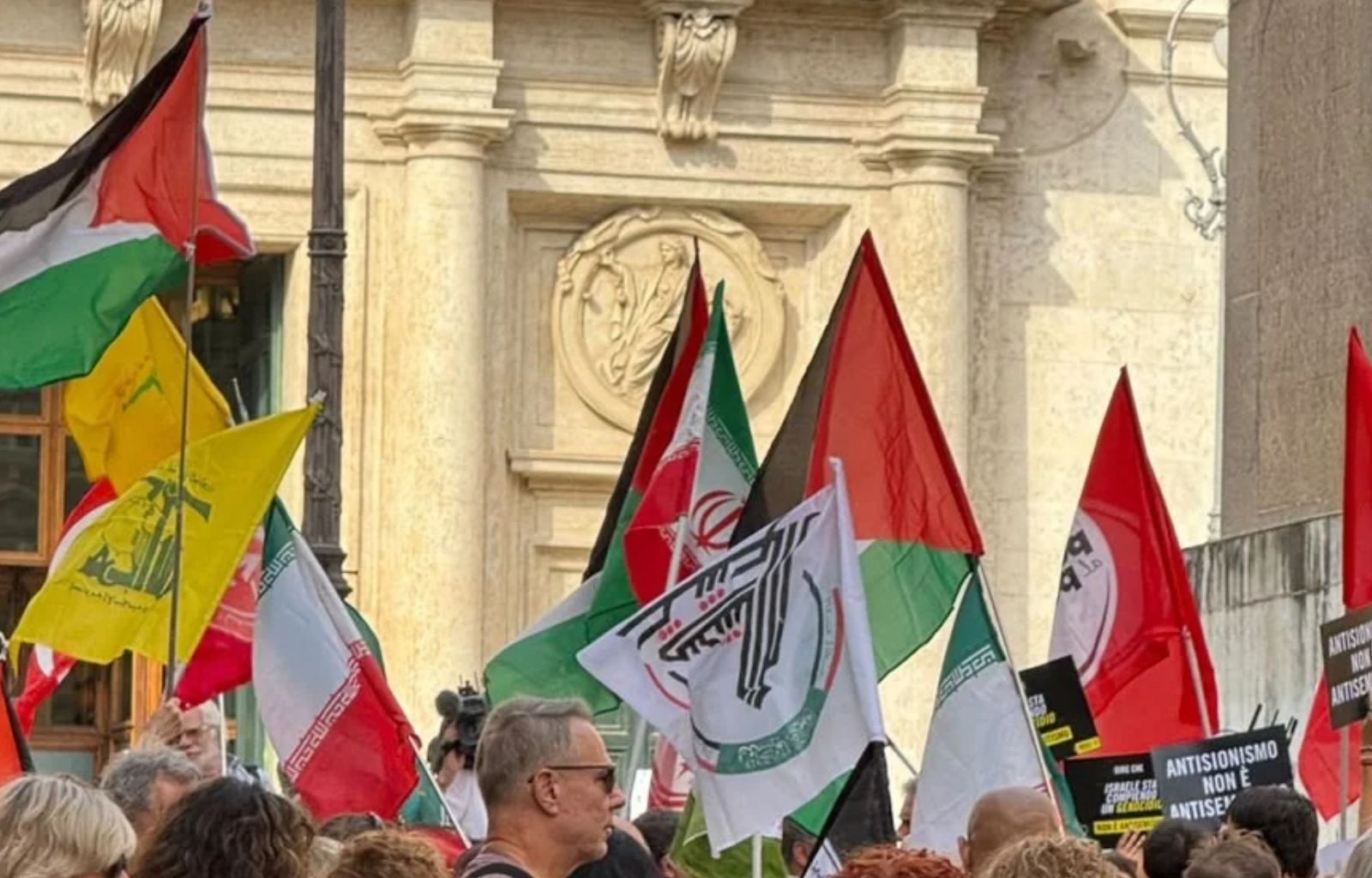
The proposal put forward by the League to introduce a deposit to be paid by the organisers of demonstrations was born with a simple and apparently sharable declared objective: to discourage violence, devastation and disturbances during demonstrations. But at a slightly closer look, what is presented as a common sense measure turns out to be demagogic, unconstitutional and even counterproductive.
Demagogic because it appeals to a real fear – urban violence – by offering an easy solution to a complex problem. Unconstitutional because it collides head-on with one of the pillars of the republican order: the right to freely and peacefully manifest one’s thoughts, enshrined in Article 17 of the Constitution. Counterproductive because, paradoxically, it would risk encouraging the very unrest it claims to want to prevent.
An untolled constitutional right
The right to demonstrate is not a concession by the State, but a fundamental freedom. The Constitution allows limits only in the name of public safety, and always in accordance with the principles of proportionality and reasonableness. Introducing an economic security means, in effect, turning a universal right into a privilege conditioned by financial availability.
Those who can afford to pay manifest. Those who cannot, keep silent.
This is a serious twisting of the constitutional spirit, which mainly affects associations, spontaneous movements, civic committees and grassroots realities, while leaving large structured organisations unscathed. Freedom becomes selective. And democracy inevitably poorer.
The paradox of collective responsibility
Then there is an even more serious problem: the objective responsibility that the proposal places on the organisers.
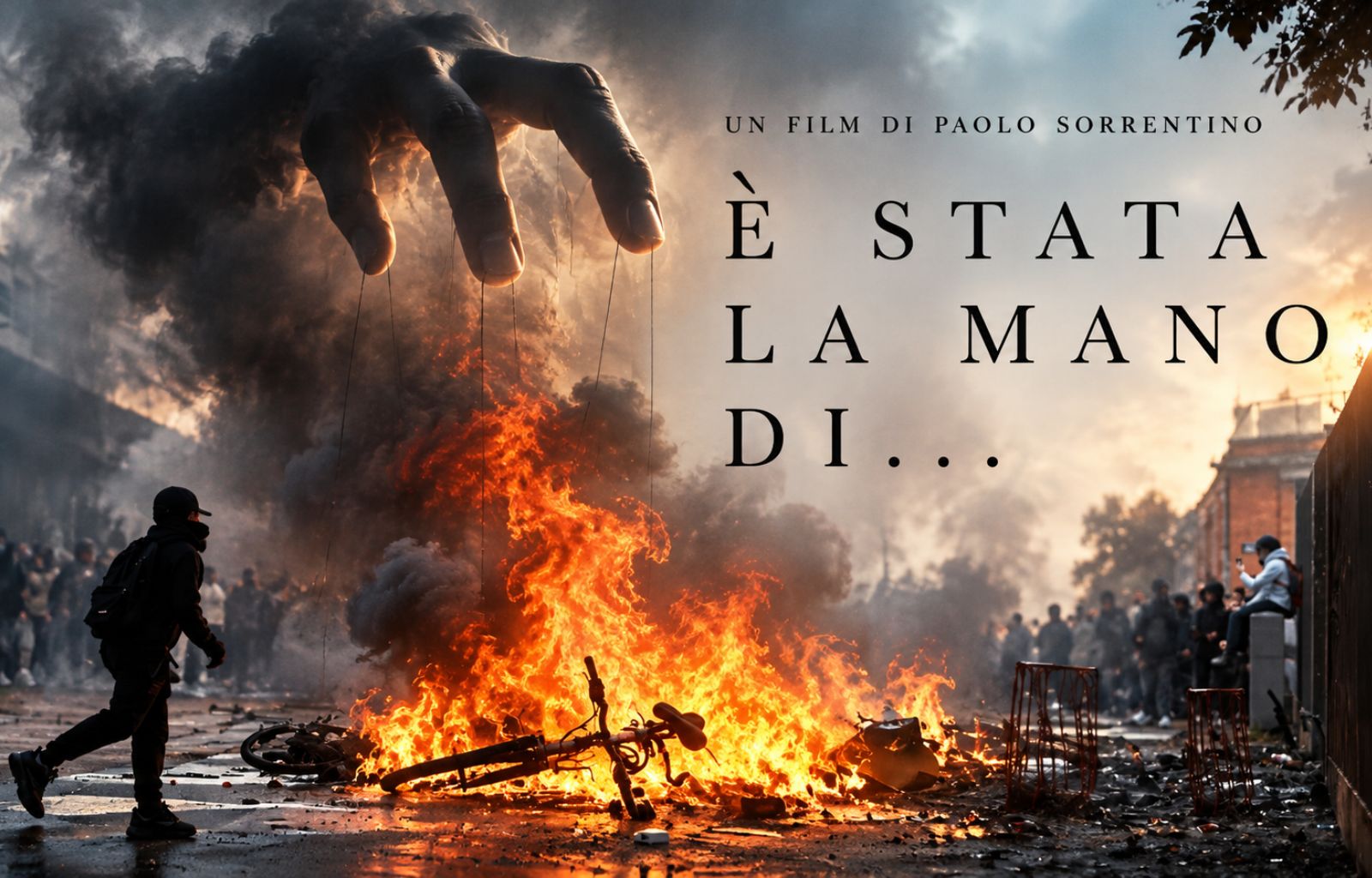
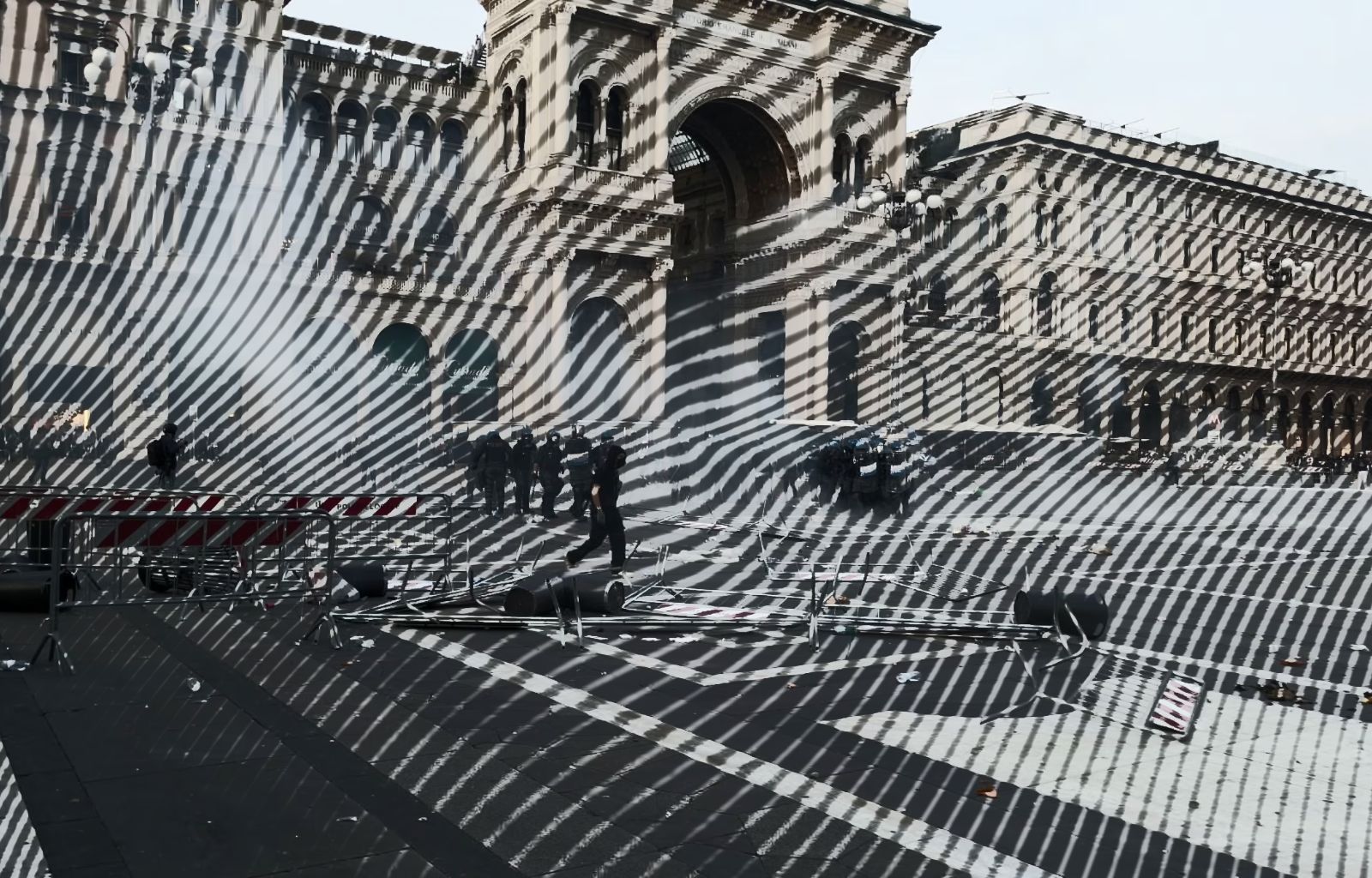
Demonstrations in Italy are, in the vast majority of cases, attended by decent people, citizens peacefully exercising a right. Violence, when it occurs, is almost always the work of organised minorities, provocateurs, criminals who use the procession as cover.
Attributing economic liability to organisers for acts performed by third parties means introducing a form of presumed guilt, alien to the rule of law. But above all, it opens up a disturbing scenario: that of systematic infiltration.
If bail were to be provided, it would be enough for a few violent people – even outsiders, even political opponents – to turn any peaceful demonstration into a safe urban guerrilla war and a potential economic disaster for those who promoted it. The violent have no political colour, and for this very reason would become a perfect tool to strike at the adversary: devastate to make others pay.
The result would be a perverse spiral: fewer demonstrations but all with violence, more fear, more delegitimisation of dissent. No more public order, but disorder alternating with fake order through intimidation.
Security yes, but not against freedoms
No one denies that the issue of public order is serious and must be addressed with appropriate instruments. But security is not an absolute value that can crush all others. In a constitutional democracy, security must coexist with freedom, not replace it.
This is the same error that can be seen in other recent proposals, such as the introduction of the so-called preventive detention, which shifts state intervention from the level of facts to that of presumed intentions. A dangerous drift, because it anticipates the sanction before the crime, normalising an emergency logic that ends up eroding everyone’s guarantees.
History teaches that when you start compressing rights ‘for more security’, the next step is to do it for political convenience.
Hit the violent, not dissent
If the goal is really to prevent devastation and protect cities, the tools already exist: intelligence, targeted prevention, identification of violent groups, severe repression of crimes. Hit those who destroy, not those who demonstrate. Punish those responsible, not intimidate citizens.
To turn organisers into economic guarantors of public order is to offload onto the grassroots a responsibility that belongs to the state. It is a political shortcut that produces easy consensus, but undermines the foundations of democratic participation.
Ultimately, the bail proposal does not strengthen security: it cools dissent, reduces public space and fuels violence in a climate of permanent suspicion.
And a democracy that is afraid of the public square is almost always a democracy that is afraid of itself.