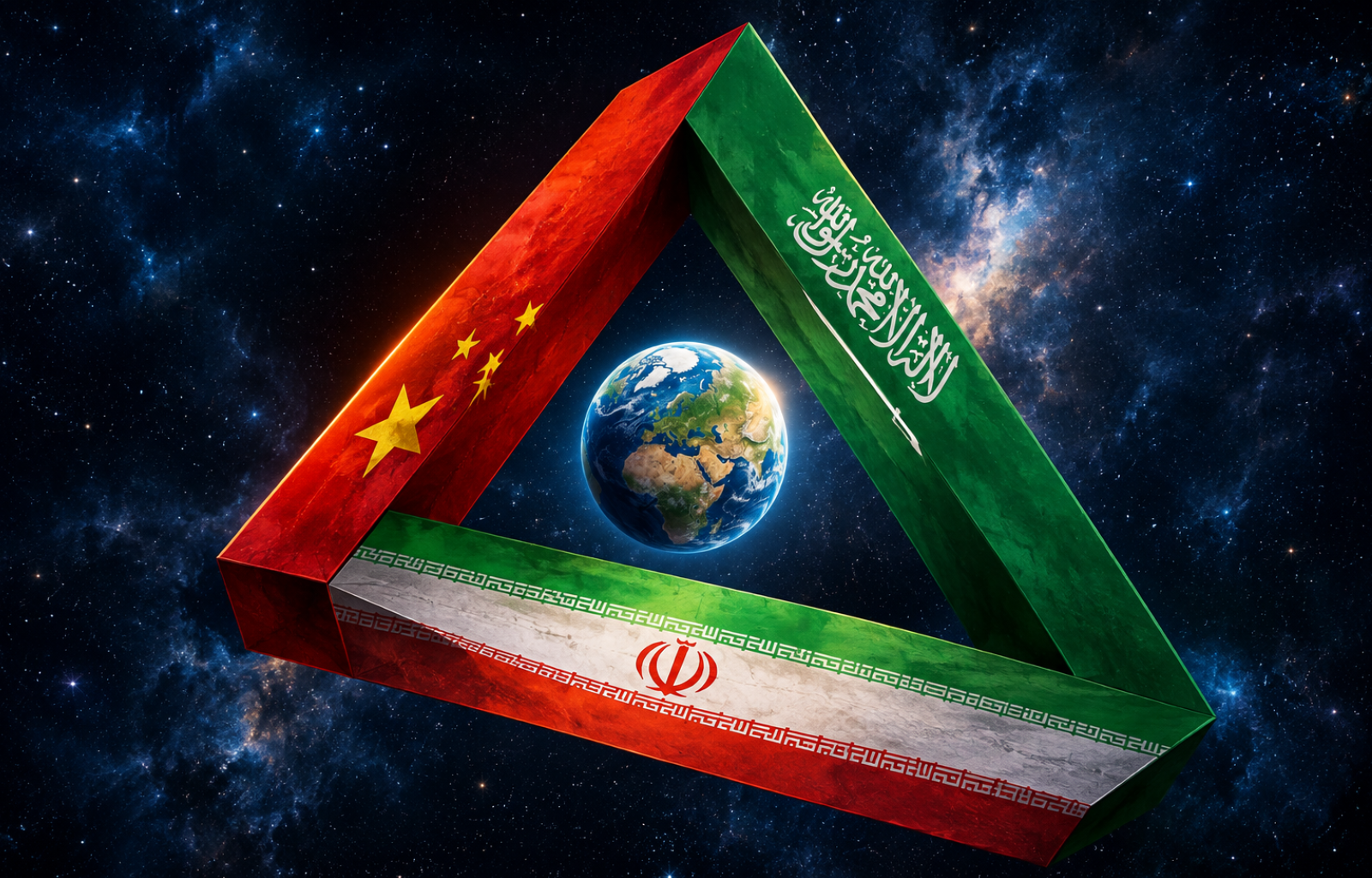
The Houthi war is already Europe’s war
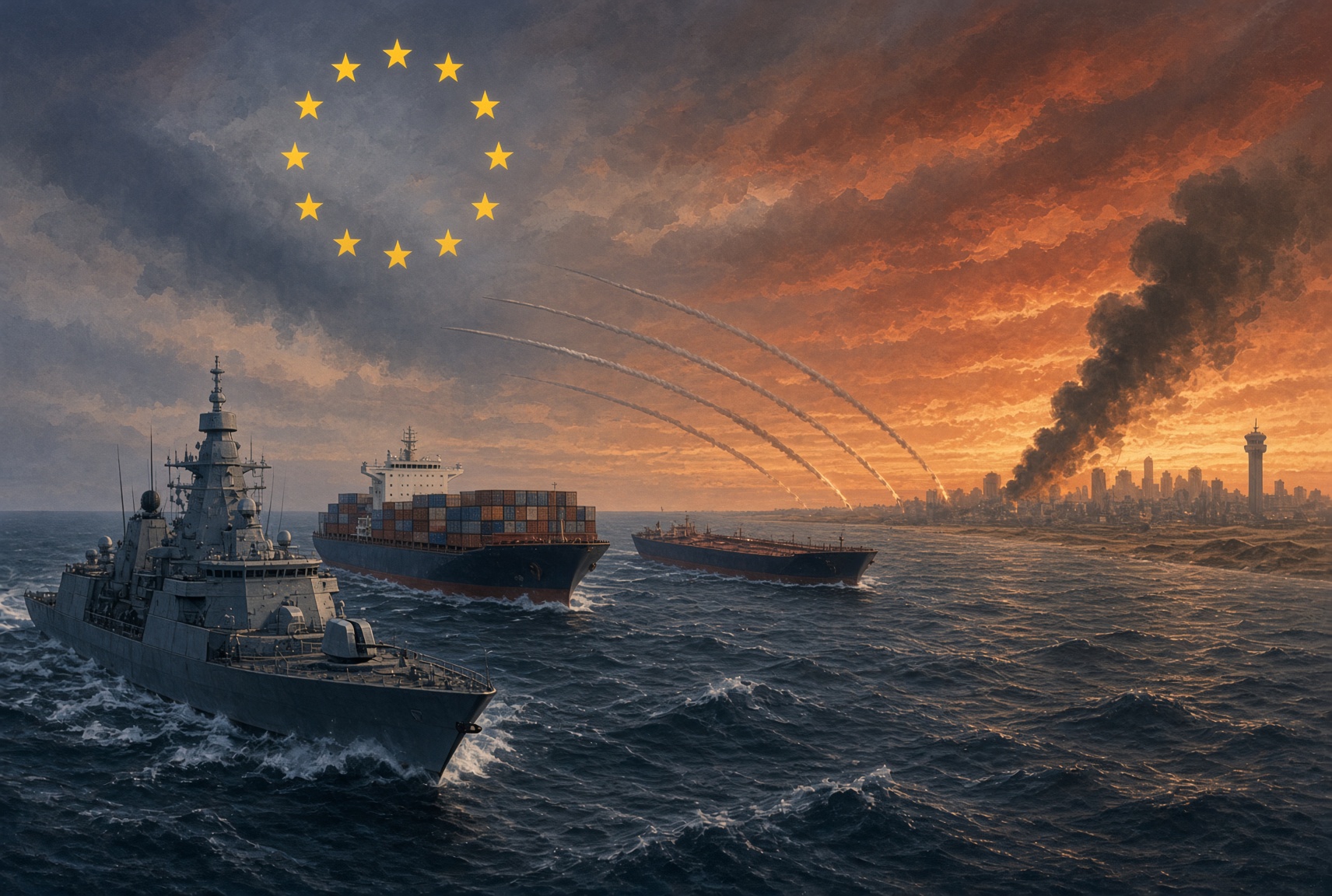
The 12 people killed at Terminal 3 of Riyadh’s King Khalid airport on October 10th were waiting for flights to the rest of the world, Europe included. The Houthi missile that killed them, and wounded 309 more, was the bloodiest strike on Saudi Arabia since the Yemeni militia tore up its truce with the kingdom in July. Lufthansa had already suspended flights to Riyadh; Germany and Spain now tell their citizens to avoid the airport. Italian minister Gilberto Pichetto Fratin has decided not to travel in person to Riyadh for the International Energy Forum ministerial meeting and related events.
The diplomatic response was telling. The loudest declarations of solidarity came from Pakistan and Turkey, Riyadh’s partners in a new defence pact, while Donald Trump mused that America might join Saudi strikes. Europe, meanwhile, was still haggling over how many frigates to send to the Red Sea. That gap, between what is at stake for Europe and what Europe is doing, is the real story of the Houthi war. Europe is already in it. It simply behaves as if it were not.
In the line of fire
Italy has learned this the hard way. On the night of September 17th an Italian Eurofighter parked at the King Fahd air base in Ta’if, where Italian airmen have been helping to defend Gulf skies since March, was heavily damaged in a Houthi attack. It appears to be the first time the militia has hit a European air force’s fighter; six months earlier an Iranian strike on a base in Kuwait had destroyed an Italian Reaper drone. The Houthis hastened to explain that they are “not at war with Italy“, before asking pointedly what Italian aircraft were doing in Saudi Arabia.
At sea the picture is no better. The same day, Guido Crosetto, Italy’s defence minister, wrote to Kaja Kallas, the EU’s foreign-policy chief, warning that only two European warships, one Greek and one Italian, were available in the danger zone around the Bab el-Mandeb strait, and that escort requests were being met late or not at all. Rome announced that its navy would shepherd Italian merchantmen through the strait without waiting for Aspides, the EU mission, and a frigate duly escorted one north. Ms Kallas agrees that the mission needs more than ten warships; at last count it had six. France and the Netherlands, meanwhile, are protecting their own merchant fleets on their own account.
The energy trap
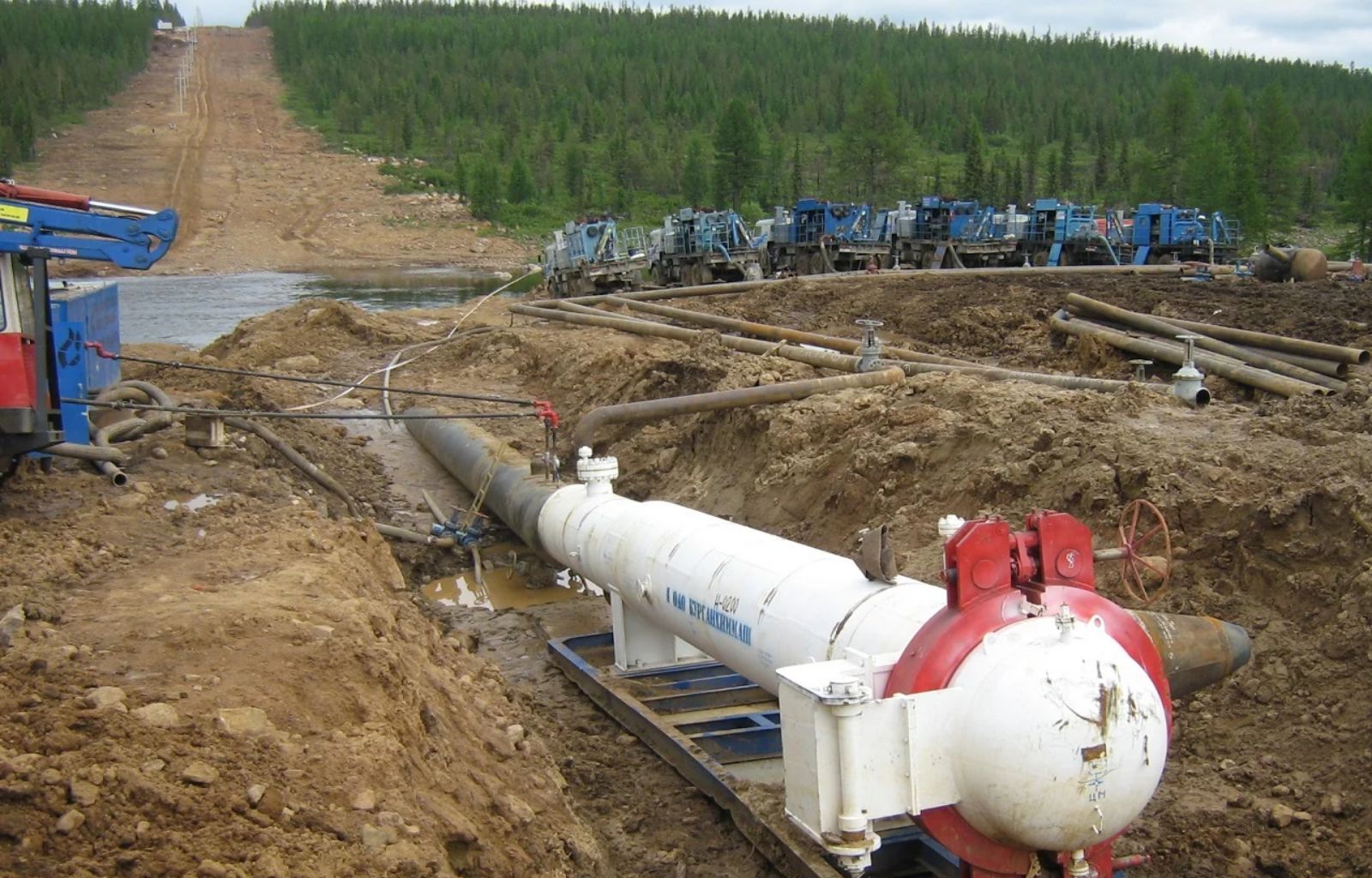
The stakes go well beyond Italian pride. Since the war between Iran on one side and America and Israel on the other began in late February, the Strait of Hormuz has been all but closed, briefly reopening in June before slamming shut again. Saudi Arabia has kept its oil flowing by pumping crude across the desert through its East-West pipeline to Yanbu, on the Red Sea; in the first half of July around three-quarters of its crude exports left from there. When the Houthis declared a blockade of the kingdom on July 20th, under the slogan “airports for airports, ports for ports“, they were aiming at the main bypass around the world’s most important oil chokepoint.
That bypass is now under strain at both ends. In September drones launched from Iraq forced a temporary shutdown of the pipeline, while the Houthis’ advance along Yemen’s coast brought them within about 50km of the Bab el-Mandeb. For Europe, which has already watched energy prices soar this year, a squeeze on Yanbu would be a second shock on top of the first. And the Red Sea carries more than oil: around a fifth of the EU’s trade passes through it, and for Italy the share is closer to two-fifths.
A problem Europe helped build
None of this came out of nowhere. The Houthis have been two decades in the making, and Iran did most of the building: a UN panel of experts has documented Iranian arms deliveries since at least 2009, followed by training from the Revolutionary Guards and Hizbullah. The method was the one Tehran had perfected in Iraq: find a weak state, exploit its divisions and grow a loyal militia inside it.
But the West held the door open. In 2018 Emirati-backed Yemeni forces, with Saudi air cover, reached the gates of Hodeidah, the port through which the Houthis received much of their supplies. Western pressure halted the offensive and produced the Stockholm agreement, which on paper demilitarised the city and in practice left it with the Houthis. Arms restrictions followed. Germany froze exports to Saudi Arabia; Italy suspended sales of bombs and missiles to the Saudis and Emiratis in 2019 and revoked the licences in 2021; the Biden administration ended support for offensive operations and dropped the Houthis’ terrorist designation.
Europe’s reasons were respectable. Hodeidah fed much of a country on the edge of famine, and few governments wanted their weapons linked to a bombing campaign. Yet good intentions produced a lopsided policy: European capitals tied the coalition’s hands while Iran’s arms smugglers kept working. A deal meant to save lives bought the Houthis time instead, and they used it to build an arsenal that now reaches Riyadh and a foothold on one of Europe’s own trade arteries.
A warning Europe ignored
It was not for lack of warning. In January 2024, when the Houthis were attacking shipping in the name of Gaza, Nikola Zukalová of the Euro-Gulf Information Centre (EGIC) argued that Europe was the obvious pressure point. The EU relied on the Red Sea for roughly a fifth of its trade and for much of its energy from the Gulf, and the attacks served a broader bloc of Iran, Russia and China bent on redrawing trade routes. Russia in particular stood to gain from prolonged disruption, which would make its own corridors through Iran and along the Arctic look more attractive than the Suez Canal, while a Western-backed corridor linking India, the Gulf and Europe gathered dust.
Zukalová also predicted that the pretext would change while the logic stayed the same. The Houthis had once struck the Gulf over the war in Yemen; in 2024 they attacked ships in the name of Palestine; with more weapons and more prestige, they would find another cause. Her conclusion was addressed squarely to Brussels: the EU needed to get its priorities straight and work with regional partners to spot threats early, rather than play catch-up later. Two years on, the pretext is “airports for airports”, and Europe is playing catch-up.
A partner shopping elsewhere
Europe’s hesitation has a price beyond the Red Sea. Saudi Arabia, the Gulf’s heavyweight and a partner Europe courts for investment, energy and that India-Middle East-Europe corridor, has drawn its own conclusions. In August it signed the Mecca defence pact with Pakistan and Turkey, and on October 5th both agreed to deploy forces to the kingdom. Muhammad bin Salman, the crown prince, has reportedly asked Mr Trump to join the fight; after Saturday’s strike the president said America might. Europe, by contrast, figures in Riyadh’s calculations mostly as a source of statements.
That is a strategic error as much as a moral one. The Gulf is where Europe buys energy, sells weapons and hopes to build trade routes that bypass Russia and China. A partner that is absent in a crisis will not be consulted when the post-war order is drawn up. Italy seems to grasp this: Mr Crosetto talks up deepening military and industrial ties with the Gulf countries. The question is whether Europe as a whole, and not just Rome, wants a seat at that table.
Beyond escort duty
What should Europe do? First, give Aspides the ships it needs. Ms Kallas’s figure of more than ten warships is a floor, not a ceiling, and countries unwilling to send vessels should, as Antonio Tajani, Italy’s foreign minister, has argued, at least pay for those who do. National freelancing by France, the Netherlands and now Italy is understandable but corrosive: it turns a European mission into a collection of private escorts.
Second, ask whether a purely defensive mandate still fits. Escorting ships while leaving launchers, depots and supply lines untouched treats the symptoms. Europe need not join Saudi bombing raids to help choke the arms pipeline: a mission that enforced the UN embargo by inspecting and interdicting Iranian shipments at sea would hit the Houthis where it hurts. So would sanctions on the networks that finance and supply them.
Third, help defend Gulf skies. Italy already does so at Ta’if, and has paid for it; the burden should be shared across Europe, as should the industrial opportunity. Diplomacy matters too, but it can come only at that stage. It works when backed by leverage; it cannot be an empty, sterile precondition.
Europe will pay for the Houthi war one way or another. The only choice is whether it pays now, in ships and political capital, or later, in energy bills, lost trade and lost influence. The dead of Terminal 3 are a reminder that the bill is already being collected.