St Francis, Europe and peace that can stand its ground
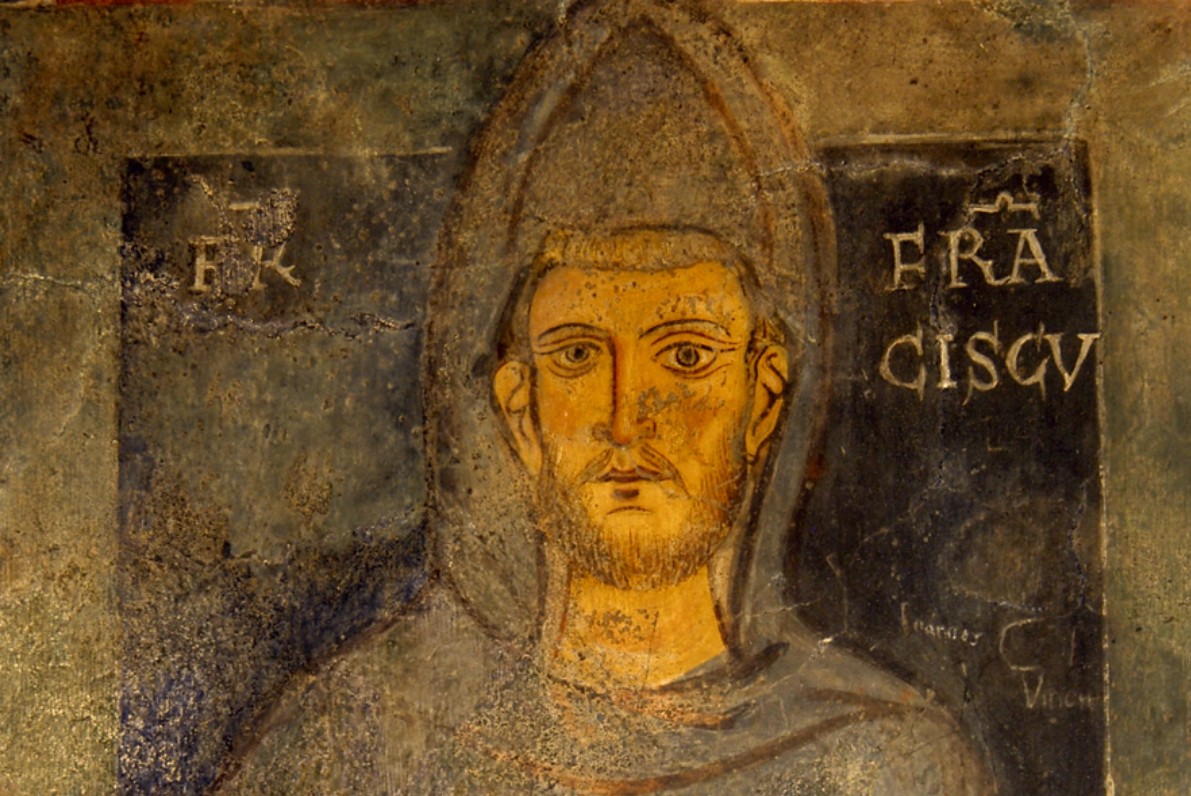
Eight hundred years on, the Franciscan lesson speaks to a continent called upon to reconcile freedom and security, tradition and progress, interfaith dialogue and technological innovation
Eight hundred years after the death of Francis of Assisi, 4 October is once again a national holiday in Italy.
This is not merely a return to the calendar. It is a question posed to a country and a continent very different from those that, a year ago, were debating whether it was appropriate to add another ‘red-letter day’. Today, with European defence back at the centre of the shared agenda, Europe speaks openly of deterrence, defence, borders and security; at the same time, it continues to seek a political language capable of ensuring that fear does not lead to isolation.
It is precisely here that Francis becomes relevant once more.
The first mistake would be to portray him as a harmless icon of pacifism. Francis met Sultan al-Malik al-Kamil in 1219, at the height of the Fifth Crusade. He went unarmed, but not because he was unaware of the conflict. His choice conveyed something else: the truth does not need to annihilate its opponent in order to exist.
This principle remains valuable, but it does not authorise states to abdicate their responsibility to protect.
Peace is the end; defence, when necessary, is a means to that end.
A Europe incapable of defending its citizens, its borders and its freedom would no longer be peaceful: it would simply be vulnerable. At the same time, a defence that lost sight of the goal of peace would turn into a new idolatry of force.
This is the difficult balance that Europe needs today: an open, yet protected society. Open because pluralism, dissent, hospitality and freedom are the antithesis of an ideological fortress. Protected because no openness can survive unless it is able to defend the conditions that make it possible. This applies to external security, but also to internal security: religious freedom, freedom of speech, the protection of minorities, and the reciprocity of rules. Religious freedom is not a tolerated remnant of a confessional past, nor is it a privilege granted to believers. It is one of the most concrete forms of freedom of conscience.
This is why secularism and laicism are not the same thing. A secular state does not impose a faith; nor does it expect faith to disappear from the public sphere.
It calls upon every tradition to engage in civil discourse without violence and without claims to dominance. Francis can speak to Italy precisely because he is a Christian, not in spite of being one: his identity did not close him off, but enabled him to engage with others. This lesson remains relevant today, when interfaith dialogue risks being reduced to a diplomatic formality or, conversely, is viewed with suspicion as a sign of weakness. Genuine dialogue presupposes real identities, not identities that have been erased.
The great Franciscan insight, however, also concerns the way in which the West has learnt to represent humanity.
The stigmata, the Christus patiens, the paintings of Giunta Pisano, Cimabue and Giotto: suffering gradually ceases to be something to be concealed and becomes worthy of depiction and compassion.
Alongside the freedom to weep comes the freedom to laugh. Francis, the ‘jester of God’, did not entertain those in power: he used joy as a form of freedom. This is a political point even before it is an aesthetic one. A free society must be able to depict suffering without turning it into a spectacle, and must be able to laugh without turning laughter into a weapon of humiliation.
It is no coincidence that William of Ockham also came of age within the same Franciscan tradition: the Middle Ages, which learnt to accord dignity to sentiment, also contributed to the development of a disciplined approach. Tradition and progress, in short, are not mutually exclusive.
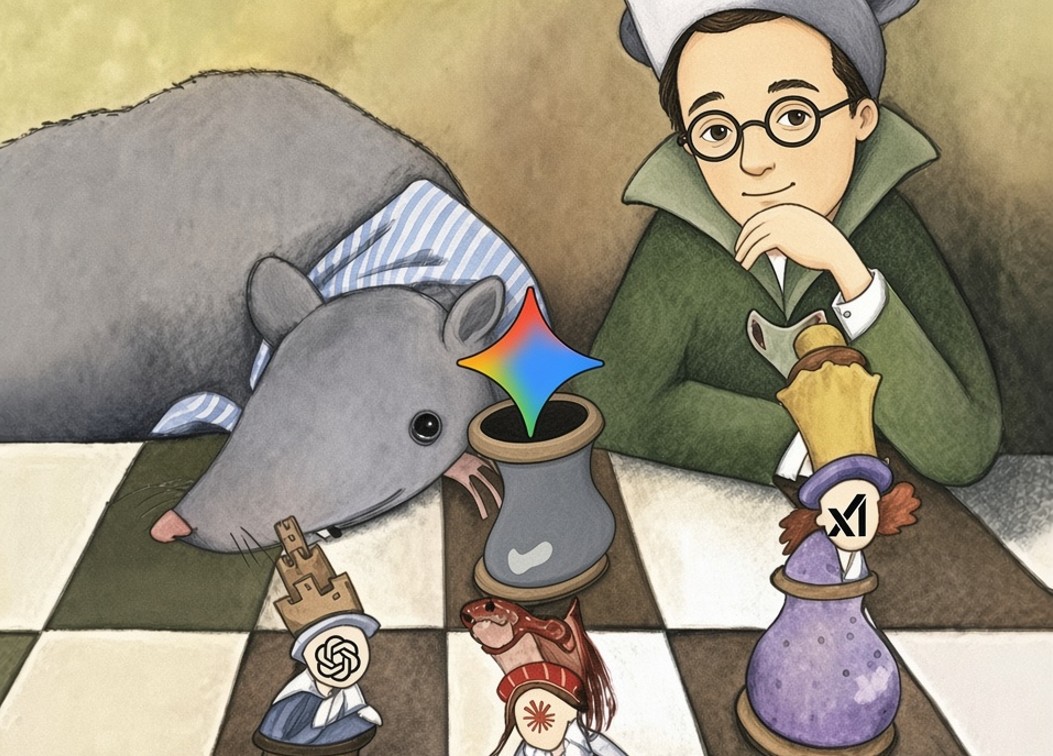
Here, the Franciscan Middle Ages meet the digital present in a surprising way. In the age of artificial intelligence, profiles, platforms and systems capable of generating language, the risk is not merely technical. It is anthropological: confusing the person with what can be measured, predicted and classified. It is no coincidence that, as of August 2026, new European transparency rules on artificial intelligence have come into force. But regulations alone are not enough. Francis reminds us that human beings are not merely information: they are bodies, vulnerability, promise and relationships. Logos without pathos may be efficient; but that does not make it human.
This is also the source of the European significance of this anniversary. Europe cannot be merely a market, nor merely a military apparatus, nor merely a regulator of technology. It must return to being a form of civilisation: capable of innovating without idolising the new, preserving its roots without turning them into a barrier, defending its home without hating those on the outside, and engaging in dialogue without being ashamed of who it is.
Eight hundred years after Francis’s death, his legacy does not ask us to choose between tradition and progress, between peace and security, between faith and freedom. It asks us to do something more difficult: to hold together what bad politics tends to tear apart.
A peace that can defend itself. A freedom that does not fear its roots. Technology that remains at the service of the individual.
A Europe confident enough not to need to either shut itself off or lose its identity.