Pasolini and Pannella in today’s squares

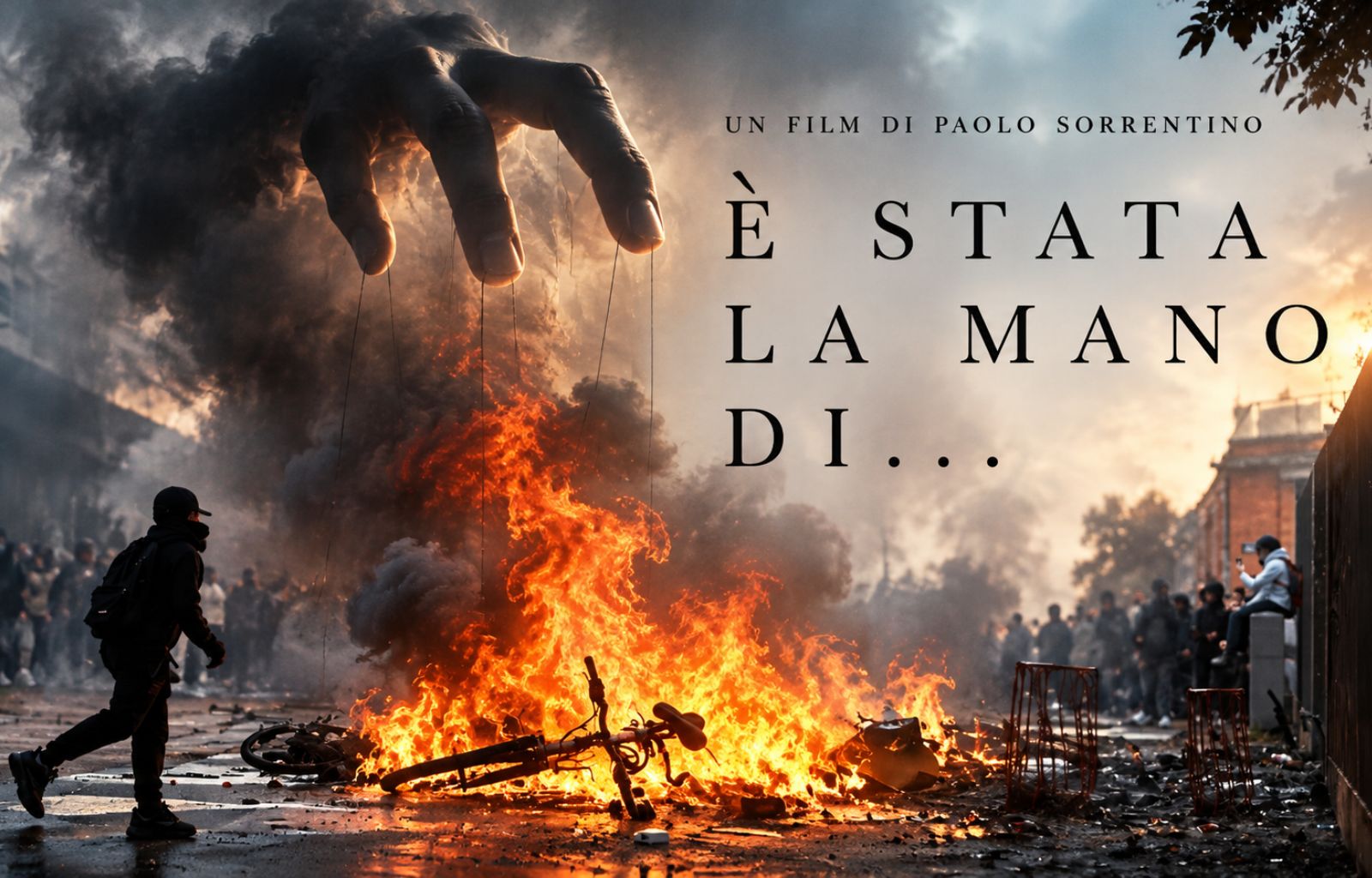
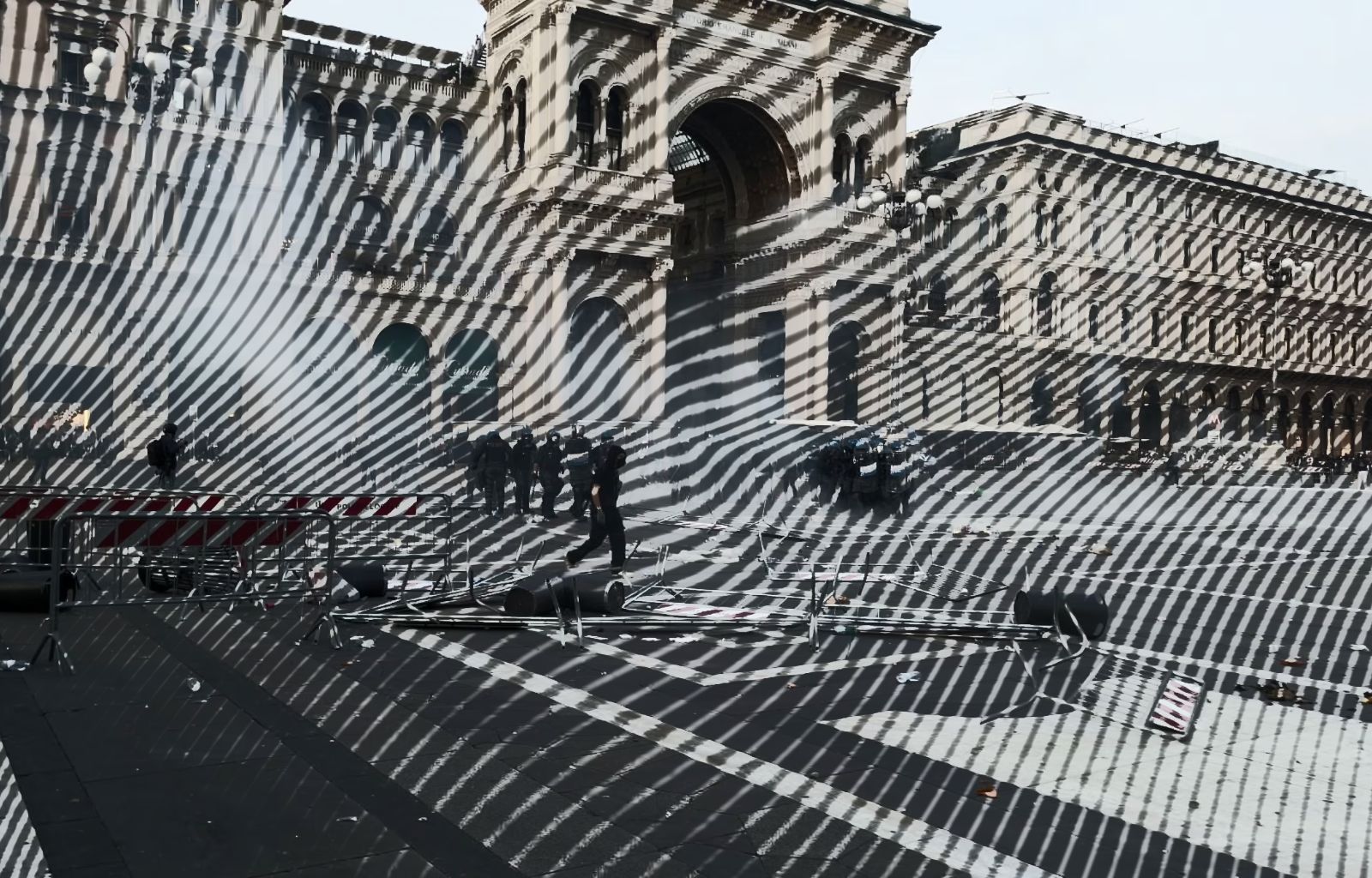
From Turin to Milan, the squares are traversed by renewed tensions. Processions, clashes with the forces of order, protest methods that sometimes verge on urban guerrilla warfare. From the tensions over the Askatasuna eviction to the demonstrations against the Olympics, the antagonist world has returned to the centre of public debate. These are squares that claim spaces, social rights, opposition to large-scale works in the name of sustainability and environmental protection. But which, in their chosen forms, raise strong questions about the relationship between political conflict and respect for democratic rules.
The images in the news these days have the flavour of amarcord, as if the historical process had turned back the hands of time more than fifty years, to the movements of ’68 and then to the years of lead.
The fracture between the square and power seems to recur, albeit in different and non-overlapping forms
It was precisely in 1968 that Pier Paolo Pasolini wrote the famous ‘Il PCI ai giovani’ (The PCI to the young) for L’Espresso, intervening in the debate on the conflicts in the streets with words that still question today. Those lines, disruptive and frank, slammed the truth in the face without asking for permission, and for this reason aroused scandal on the left of the time. Pasolini invited us to look beyond the rhetoric of revolt, to question who really occupied those squares, what privileges were hidden behind the mask of rebellion, and how violence could transform protest into a self-referential gesture, typical of a bored bourgeoisie that uses the square as an ephemeral hedonistic exhibitionism.
His provocation is summed up in a passage that has remained famous:
“When you fought the policemen yesterday in Valle Giulia, I sympathised with the policemen. Because policemen are children of the poor. They come from suburbs, peasant or urban“.
He was referring to the clashes of March 1968, when thousands of students belonging to extra-parliamentary extreme right and extreme left rallied to reoccupy the Faculty of Architecture and attacked the police, who had the worst of it. “Pasolini ‘s ‘ j’accuse’ was not an apologia for the established order, but a fierce criticism of a left wing that risked confusing youth rebellion with an authentic project of social transformation. The point, for Pasolini, was not to take sides between truncheon and slogan, butto question who really embodied the conflict capable of producing change.
This provocation, today more than ever, after the events in Turin and Milan, appears of disruptive relevance
The questions to ask are: who do the antagonist squares really represent? Are they the expression of the social unease of the peripheries? Or do they express an identity-based and elitist activism, often concentrated in the LTZs of urban centres, far from the concrete needs of those same peripheries they claim to defend?
The issue is not about the legitimacy of dissent, which is and remains the salt of democracy
It is rather about the forms and methods by which it is expressed. Marco Pannella, leader of the Radical Party, often repeated that it is the means that prefigure the ends: the methods of struggle and political action anticipate the type of society one intends to build. If protest steadily takes on the features of occupation, illegality, urban guerrilla warfare and head-on confrontation with institutions, what idea of coexistence is emerging? A society of permanent conflict? If rights are not promoted through legal and democratic means, the risk is that what comes from forcing ends up turning into a privilege rather than a right.
This is not to deny environmental issues, nor the issue of large-scale construction or the waste of public money; nor even issues such as sustainability, gentrification or the right to live. These are real issues that deserve serious discussion. But if the methodologies are only embodied in an antagonistic identity as an end in itself, the risk is that every act of protest or denunciation will turn into a ritual of violence aimed at discharging personal or collective rage; worse still, that such rituals will become mere hedonistic exhibitionism, incapable of affecting concrete social issues.

Perhaps the most uncomfortable question concerns precisely the political and cultural Left, which often adopts a haphazard attitude and sometimes winks at antagonist groups. Is it still capable of representing labour, the peripheries and widespread social malaise, addressing environmental issues in a serious and concrete manner? Or does it tend to recognise itself more easily in anaesthetic of urban rebellion, which reassures the so-called cultured and media-visible salons, but struggles to speak to the ‘people’ in the full sense?
Pasolini, identifying himself with ‘the different’, scandalised and invited reflection; Pannella reminded us that, first and foremost, the fight for rights must take place through legal and democratic methods.
Today, in the squares filled with renewed tensions and violence, the question remains open: is the conflict being staged really a methodology of struggle to defend and promote old and new rights, or is it a self-referential representation of bored sons of the bourgeoisie acting out an ephemeral aesthetic of rebellion?