Al Fashir and the silence of the world: Sudan plunges into a forgotten genocide

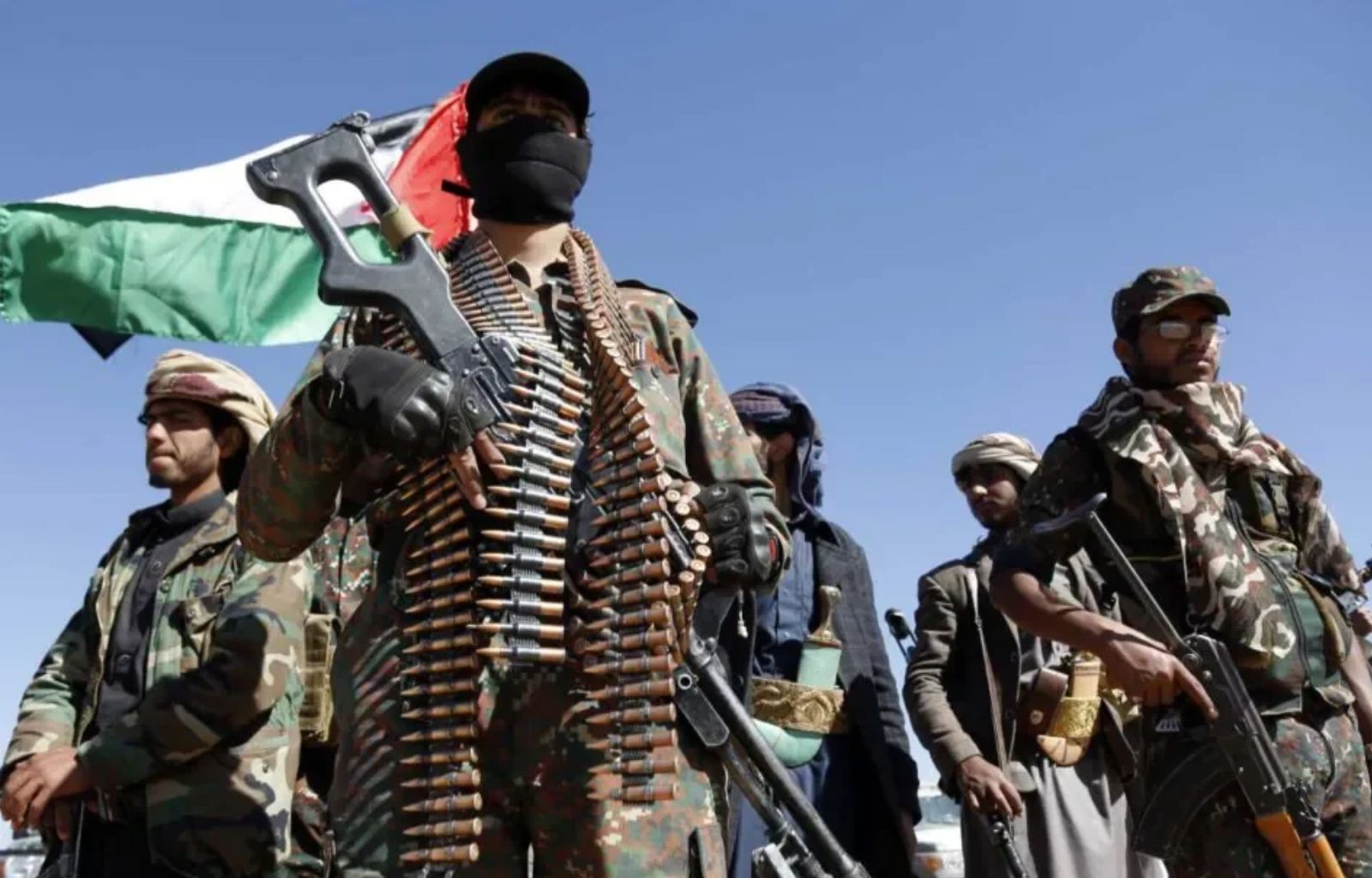
When the Rapid Support Forces (RSF) conquered Al Fashir, the army’s last stronghold in Darfur, it was not just a military victory. It was the final collapse of a city, a region and, perhaps, of the very idea of humanity in a country that has been living in darkness for two years. Since then, the stories and videos released by the militiamen themselves show a horror that no longer needs interpretation: mass executions, bodies thrown into ditches, hospitals turned into military targets.
The genocide live
The war in Sudan, which began in April 2023, has already claimed 150,000 lives and forced 12 million people to flee. But what has happened in Al Fashir in recent weeks marks a point of no return. The RSF, born as a Janjaweed militia and now a paramilitary force led by Mohamed Hamdan Dagalo, known as Hemedti, are repeating the script of the 2003 genocide, when hundreds of thousands of non-Arab civilians were exterminated with the tacit consent of the Omar al Bashir regime.
Today, brutality is accompanied by technology: RSFs film and disseminate their war crimes online, in a strategy that combines terror with propaganda. It is the extreme distortion of the hyper-connected world: horror is no longer hidden, but shared. And the international community, which has video evidence, remains paralysed.
The hospital turned into an execution camp
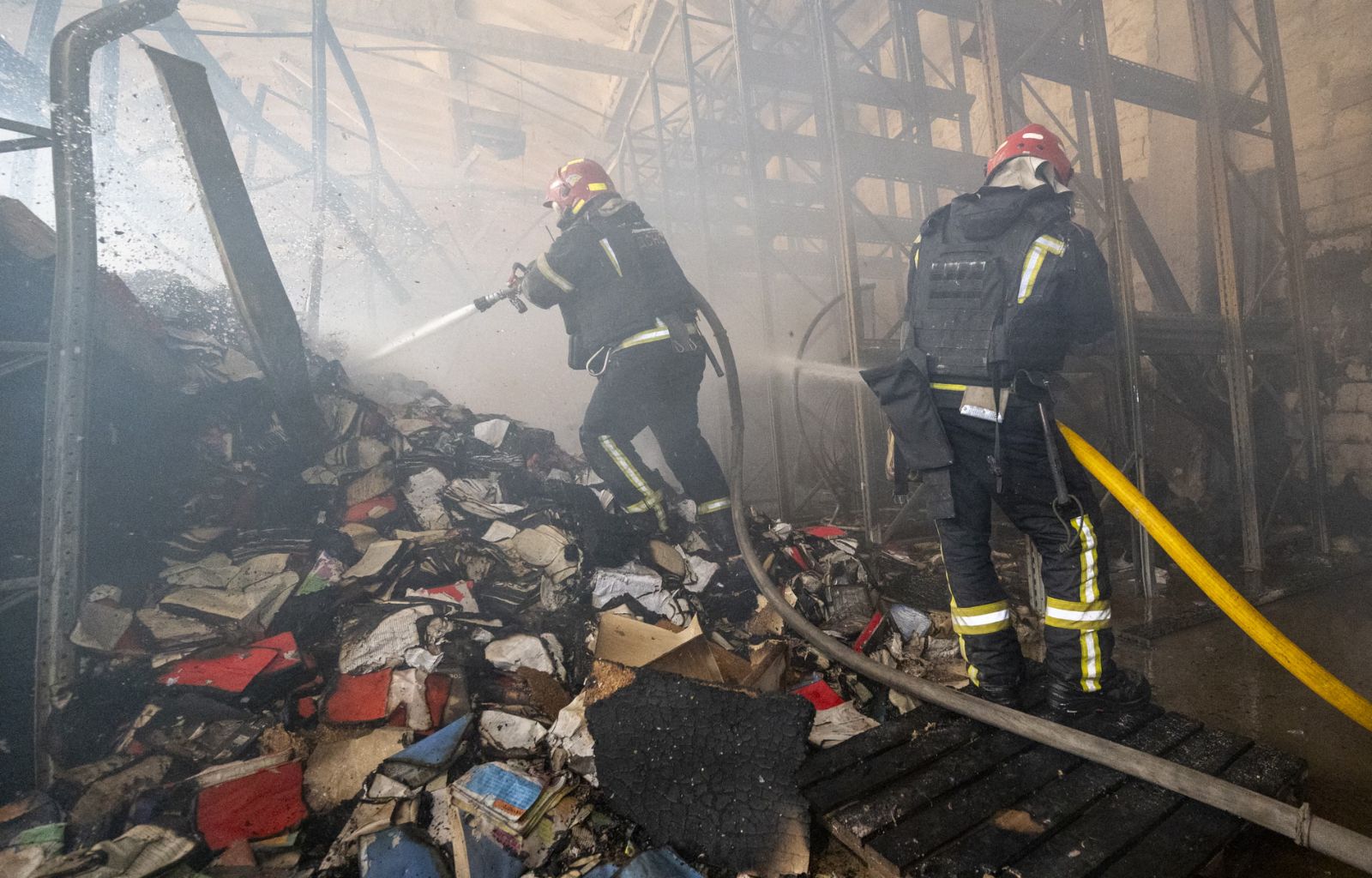
Among the most atrocious episodes was the massacre at the Saudi maternity hospital in Al Fashir: more than 460 people were killed, including patients and family members, in what was the last functioning health centre in the city. TheWorld Health Organisation (WHO) and the Sudan Doctors’ Network confirmed the attack, also reporting the kidnapping of six health workers. According to local testimonies, the militiamen are demanding a ransom for their release.
It is a crime reminiscent of the darkest moments in recent history, and one that raises precise questions about the role of those who support these militias. The governor of Darfur, Minni Minawi, has directly accused the United Arab Emirates of financing the RSF with money and weapons. Serious accusations, but which so far have not provoked any official reaction from Western governments.
Al Fashir’s isolation and the humanitarian crisis
Since February 2025, no humanitarian aid has been able to enter the city. Around 260,000 civilians remain trapped without water, food or medicine. The siege of Al Fashir, which has lasted over a year, has driven tens of thousands of people to flee to refugee camps in Darfur, which are already overcrowded and lacking in resources. According to analyst Caitlin Howarth of the Yale Conflict Lab, many of the refugees reportedly died in the desert in a desperate attempt to reach shelter.
The failure of international policy
The Sudanese tragedy is the result of the political and diplomatic vacuum left by the world. TheAfrican Union is divided, the United Nations denounces but does not act, andEurope watches distracted, focused on crises closer to its borders. Yet Darfur is not just an African issue: it is a test case for the very credibility of international law and global criminal justice.

A conflict that divides and destroys
In military terms, Sudan is today a country split in two. On one side is General Abdel Fattah al Burhan, head of the regular army and controller of much of the north and east of the country. On the other is Hemedti, leader of the RSF, who dominates Darfur and the south-west and has even announced the formation of a parallel government. Both aspire to absolute power, but the war is leading them towards mutual destruction and, with it, that of Sudan.
The lesson of Darfur
The Al Fashir massacre is not an isolated incident, but the symbol of a genocide that is being repeated before the eyes of the world. Twenty years after the first Darfur, history is repeating itself in a deafening silence. The evidence is there, the responsibility is there. All that is missing is the political will to intervene.
Europe, which makes the defence of human rights a flag, cannot limit itself to ritual condemnations. Because if the Darfur genocide is back, it means that memory has failed. And if memory fails, indifference becomes complicity.