A chapter of Magnificent Humanity seems to have been written for our “pacifists”

Pope Leo’s first encyclical is causing a stir, particularly because of the sections specifically devoted to algorithms and AI.
This comes as no surprise: to date, it has been the only attempt to confer full moral, legal and even spiritual legitimacy on a new model of design and governance for digital platforms, which, according to the Pope, should no longer be designed like the Tower of Babel (single, centralised, imposed from above, in the hands of a few and indifferent to human dignity) but like the walls of Jerusalem (with transparency, impact assessments and shared responsibility).
Only in this way, the text argues, can technology continue to fulfil its natural role of ‘alleviating suffering and opening up new possibilities’, rather than serving the diabolical design of ‘reducing creation to an object of exploitation and people to cogs in a system’.
Who has a Babel passport?
All this has been fairly well covered in the mainstream media. But the encyclical actually contains much more than the two central chapters focused on technology – which, incidentally, are a summary of two earlier documents drafted by expert commissions, Antiqua et Nova and Quo vadis humanitas.
In his lengthy meditation, Leo revisited the themes of the most significant addresses he had delivered during his first year of the papacy: from those on truth and disinformation addressed to journalists to those on peace and justice addressed to diplomats, from his views on childhood in meetings with schools to his sermons for Christmas and the feasts of Mary.
One really gets the impression that, over the course of the year, not a single word of his was out of place, but that everything was part of a slow preparatory process, as if Prevost were already living with his mind projected into Magnificent Humanity wherever his body happened to be.
Thus, as one might expect, an entire section is devoted to the ‘culture of power’, that is, to how the Tower of Babel manifests itself not in the cyber world but in the political world.
And here the unsuspecting reader immediately asks a question: in this pope’s eyes, who are the good guys and who are the bad guys?
What are the first and last names of the masters of the Tower of Babel, and what do the rebuilders of Jerusalem look like?
To take just the most striking example: his dislike of Trump is well known and widely reciprocated, but how does he judge Putin?
Naturally, the encyclical does not name names. The reason is set out in black and white: one of the ways in which the Holy See ‘places itself at the service of humanity’ is by mediating in conflicts ‘by speaking out on behalf of the poor, migrants and victims of war’.
So as not to compromise this role, the sin is condemned but not the sinner.
That said, in Magnifica Humanitas the condemnation of certain sins is so precise and detailed that it is impossible to be in any doubt as to who the sinner is.
Putin, Ukraine and the culture of power
Putin must surely have pricked up his ears when the Pope stated that “any attempt or plan to eliminate or subjugate a nation is gravely immoral and therefore unacceptable”, and later that “forms of conflict over territorial expansion that were thought to have been overcome are re-emerging”, whilst “public opinion is gradually being shaped and conditioned by polarising media narratives, often amplified by algorithms that emphasise confrontation and conflict”. On several occasions, Leo sounds the alarm against “cyberattacks, manipulation of information, influence campaigns”, with AI “entering these processes as an accelerating factor”.
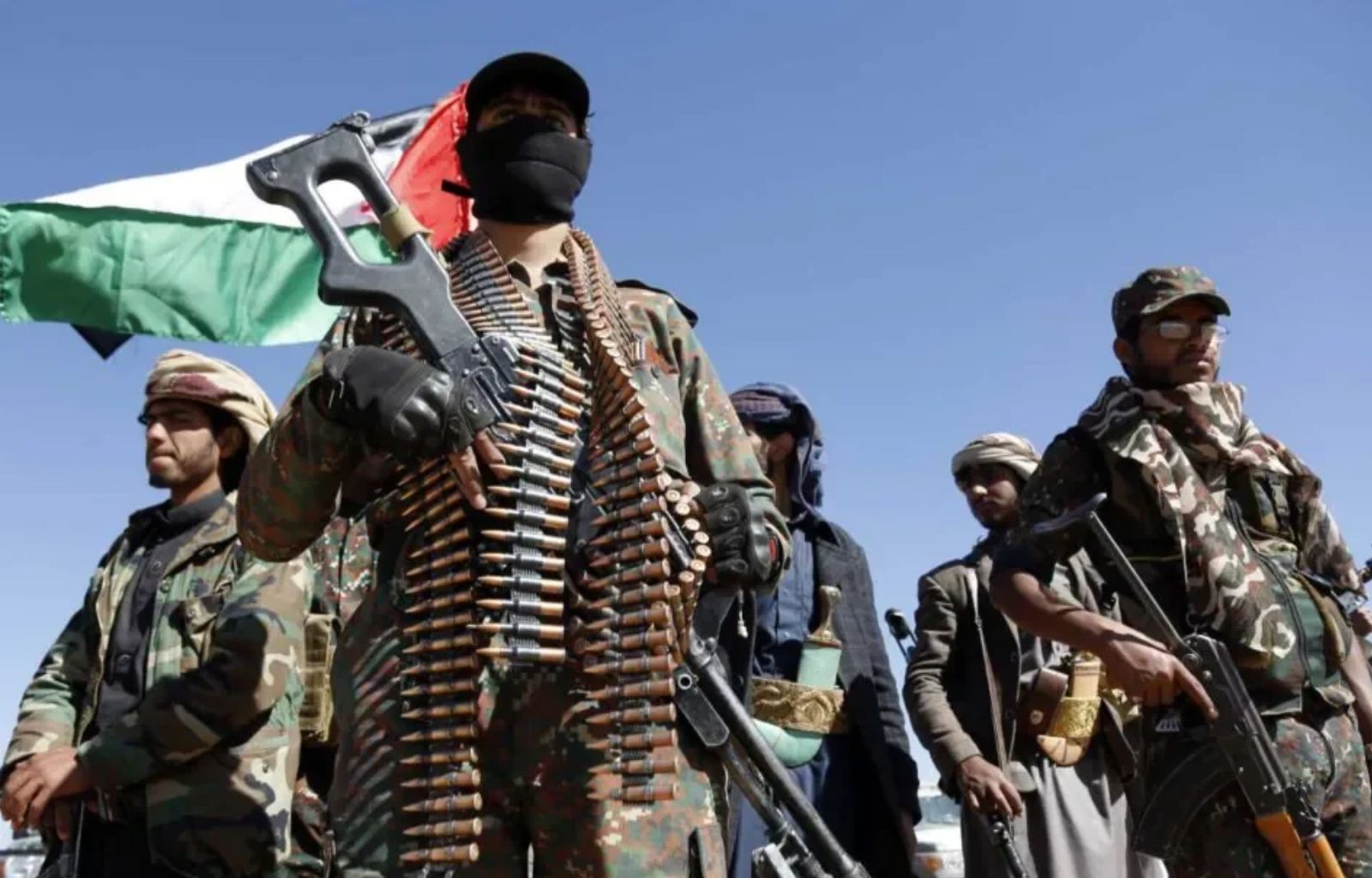
Leafing through this extraordinary diatribe against the “new armed actors – jihadist groups, private militias, criminal networks – who mark the end of the state’s monopoly on force” and “intertwine vague ideological motivations with very concrete economic interests, transforming war into a genuine way of life for entire generations of young people and children”, one is reminded not only of Hamas, Hezbollah and the like, but also of the Africa Corps and the pro-Russian warlords in Libya and Sudan.
So there is no sympathy for Putin.
On the other hand, the Ukrainian authorities are not entirely off the hook either, because at the moment their army is the one making the most casual use of AI-powered drones.
A weapon which, admittedly, has saved Ukraine over the last six months, destroying enemy lorries and warehouses hundreds of kilometres from the front line without any need for human piloting (and therefore without the need for radio signals or GPS that the Russians can jam). But a weapon which, according to Leo, will have inhumane implications in the long run, as it ‘lowers the threshold for the use of violence’, ‘reduces victims to data’ and undermines the very right to self-defence, the legitimacy of which an unconscious machine cannot assess.
(It should be noted, however, that if the Russians had the technological capability, they would already be doing far worse: indeed, for years they have been training their drones by using defenceless civilians in Kherson as targets in human hunting expeditions, which have been condemned even by the UN as crimes against humanity).
Thinking about the weeds in your field
When it comes to the major international players, therefore, each has its own flaws and faults before God, as is only to be expected.
It makes no sense to organise Catholic rallies against rearmament or against funding for Ukraine without simultaneously demanding that Russia renounce its expansionism, just as it makes no sense to use the Pope’s words against Russia whilst ignoring the fact that certain Ukrainian defensive measures could also have dangerous implications in the near future.
European Catholics should, rather, focus on a chapter of the encyclical that perhaps goes somewhat unnoticed, but which forces them to confront their personal choices in the face of the conflict in Ukraine.
It is found in the substantial ‘pars construens’ of the Pope’s letter, which as a whole – with the practical spirit we so envy in Americans – devotes more pages to proposing solutions than to lamenting problems.
It opens with Gandalf’s famous quote from The Lord of the Rings: “It is not for us to master all the tides of the world; our task is to do what we can for the salvation of the years in which we live, by rooting out evil from the fields we know”.
And, after reminding us that “no one is without responsibility” and that the idea that“the problems are too great and we are too small” is a temptation to be rejected, he proposes five daily commitments to ensure that “the logic of peace” prevails over “the logic of force”.
The five commitments
The first is “to examine our consciences regarding the words we use, the prejudices with which they are steeped, and the aggression – whether overt or covert – that lies within them”.
Not exactly the style of those pharisees who, in the name of “peace”, are calling for Ukraine’s head.
Examining our conscience regarding our words alsoincludes telling the truth, which has instead been distorted by those propagandists from the very beginning, with constant inconsistencies not only in the facts but even in the chronology (particularly regarding Maidan and the invasion of Crimea).
Over the years, various Russian protagonists of the war, disillusioned by Putin, have recounted what they knew, from Igor Girkin to Ilya Remeslo and Evgeny Prigozhin, and that account consistently exposed the bad faith of our “pacifists”.
The second commitment is not to seek “any old peace, an absence of conflict at any cost, but that true peace which springs from justice”. This is the exact phrase used in the negotiations by the Ukrainians and their allies, whilst the “pacifists” ramble on about ceding territory or people just to bring it all to an end.
The third commitment is to “see things from the victims’ perspective”.
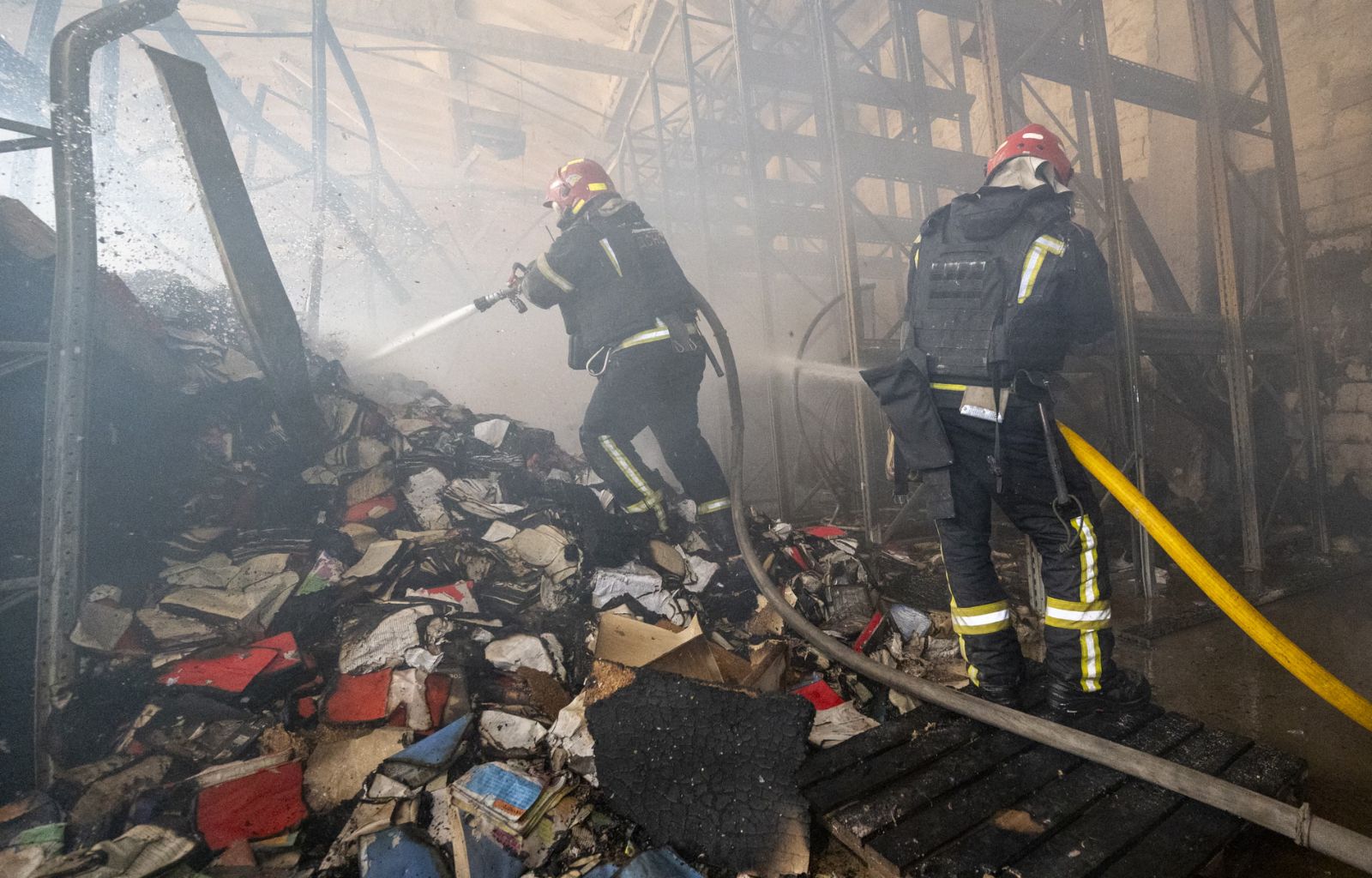
Here Leo made no concessions: “There are conflicts in which it is not right to remain neutral, and it is not enough to believe that we are not complicit. When we are faced with the bombing of civilians, attacks on hospitals, schools or vital infrastructure, and violence that affects children, we are faced with scandals that wound humanity itself. This is why we cannot remain at the level of abstract analysis”, precisely the kind with which academic anti-Ukrainians use to muddy the waters.
If, instead, Ukrainian civilians affected by the conflict or their relatives in Europe had been given a voice on television every day, if the screens had helped us to ‘look at the faces, listen to the stories, recognise the wounds’, the story of recent years might perhaps have been different.
The fourth commitment is to “cultivate a healthy realism”, which the Pope contrasts with two errors: on the one hand , “an idealism which, in order to preserve its own worldview, cherry-picks facts, twists them, redefines them, and ends up inhabiting a reality tailored to its own convictions”, on the other , “a degraded realism that confuses observation with resignation: since force prevails, it concludes that it must prevail”.
Two attitudes, too, that are by no means unfamiliar to the self-styled “pacifists” in our own country.
Finally, after calling for dialogue rather than violence (not exactly what happens every day on social media and every evening on talk shows) and condemning the use of religion to sanctify war (Patriarch Kirill knows a thing or two about that), Leo defends the ailing multilateral bodies (such as the International Criminal Court, which has issued an arrest warrant for Putin, promptly contested by the ‘pro-peace’ camp).
Unexpected fruits
Every Christian knows that they must be wary of wolves in sheep’s clothing, and that the key to avoiding error is to judge them by their fruits.
Well, the ‘Tolkienian’ chapter of Magnificent Humanity shows us that sometimes, even whilst proclaiming the ‘logic of peace’ in the abstract, the fruits of the ‘logic of force’ are produced .
This is, perhaps, the most valuable contribution the encyclical makes to the Ukrainian question.
In the stalemate between the world’s major powers, perhaps – just perhaps – a different way of behaving in everyday life, especially on the part of Catholics, might have made a difference.