Defence, technology and law: the European challenge in a changing world, as told by Astrid

Amato, Gentiloni, Dassù and Fitto at the Rome Chamber of Commerce for the launch of Astrid’s new book.
Europe must find a way to transform itself from a major economic market into a political entity capable of influencing the international balance of power. This is the challenge at the heart of the discussion that took place on the afternoon of Wednesday 11 November in the Sala del Tempio di Vibia Sabina e Adriano at the Rome Chamber of Commerce, during the launch of the book *Europe in a Changing World*, published by Passigli Editori and edited by Giuliano Amato, Franco Bassanini and Marcello Messori.
The meeting was attended by former Prime Minister Giuliano Amato, former Prime Minister and former European Commissioner Paolo Gentiloni, Marta Dassù, Senior Advisor for European Affairs at Aspenia, and Raffaele Fitto, Executive Vice-President of the European Commission, who spoke via video link from Brussels. The proceedings were opened by Lorenzo Tagliavanti, President of the Rome Chamber of Commerce. Defence Minister Guido Crosetto, who had initially been scheduled to attend, was unable to take part in the event due to the sensitive situation surrounding the bomb threats at schools.
The book is based on one premise: following years of profound crises, from the global financial crisis of 2007–2009 to the pandemic, the European Union now finds itself at the centre of a ‘perfect storm’. Shifts in the geopolitical and geo-economic balance, the crisis in multilateralism and the difficulties in achieving European strategic autonomy are jeopardising the Union’s ability to compete with the major powers. The main factors weighing heavily are technological lag, dependence on energy and strategic raw materials, and demographic decline.
The defence issue: the clash between Amato and Dassù
The issue of common defence was one of the most significant aspects of the debate, also bringing to light differing views on the language to be used and the measures to be adopted.
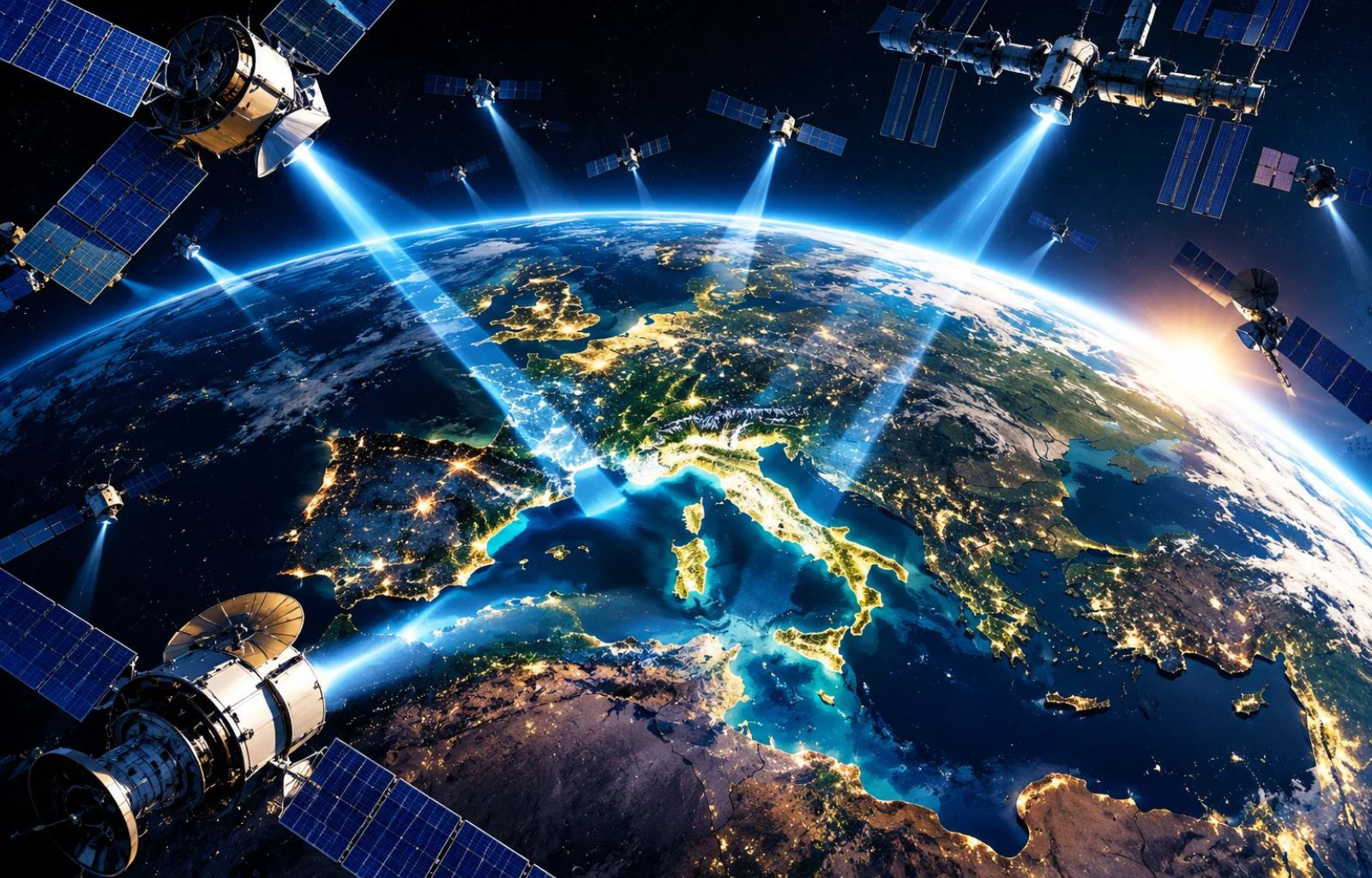
Giuliano Amato, President Emeritus of the Constitutional Court, began by highlighting the Union’s structural weakness in certain strategic sectors. Europe, he observed, still lacks sufficient technological capabilities in intelligence, communications and the satellite sector, where the gap with the United States and major private operators – Musk foremost among them – appears particularly evident.
For Amato, rearmament cannot be reduced to the purchase of weapons: it must also encompass the development of military and civilian technologies, starting precisely with satellite infrastructure. This transformation requires investment and, above all, greater willingness on the part of Member States to contribute to the common budget. However, it is being hampered by nationalism and the persistent reluctance of governments to increase the resources available to the Union.
The former Prime Minister also criticised the European Commission’s decision to introduce the term ‘rearmament’ into the debate, considering it a factor that risks hardening the political debate. On an institutional level, he argued that there is no need to rush the process of moving away from unanimity: ‘There is no need to rush the process of moving away from unanimity, which only serves to harden the positions of Member States.’ According to Amato, even with the Treaties remaining unchanged, there are already instruments in place to facilitate the Union’s evolution towards a federal model.
Among these, enhanced cooperation and the various opt-out mechanisms provided for in the Treaties – includingconstructive abstention – play an important role. The latter allows a Member State to opt out of implementing a particular decision without preventing its adoption by the others. The aim is to enable groups of countries to press ahead with integration even when there is no unanimous consensus. Amato also noted that, in his view, the Italian government would be in favour of participating in more advanced European policies, but not of abolishing the right of veto.
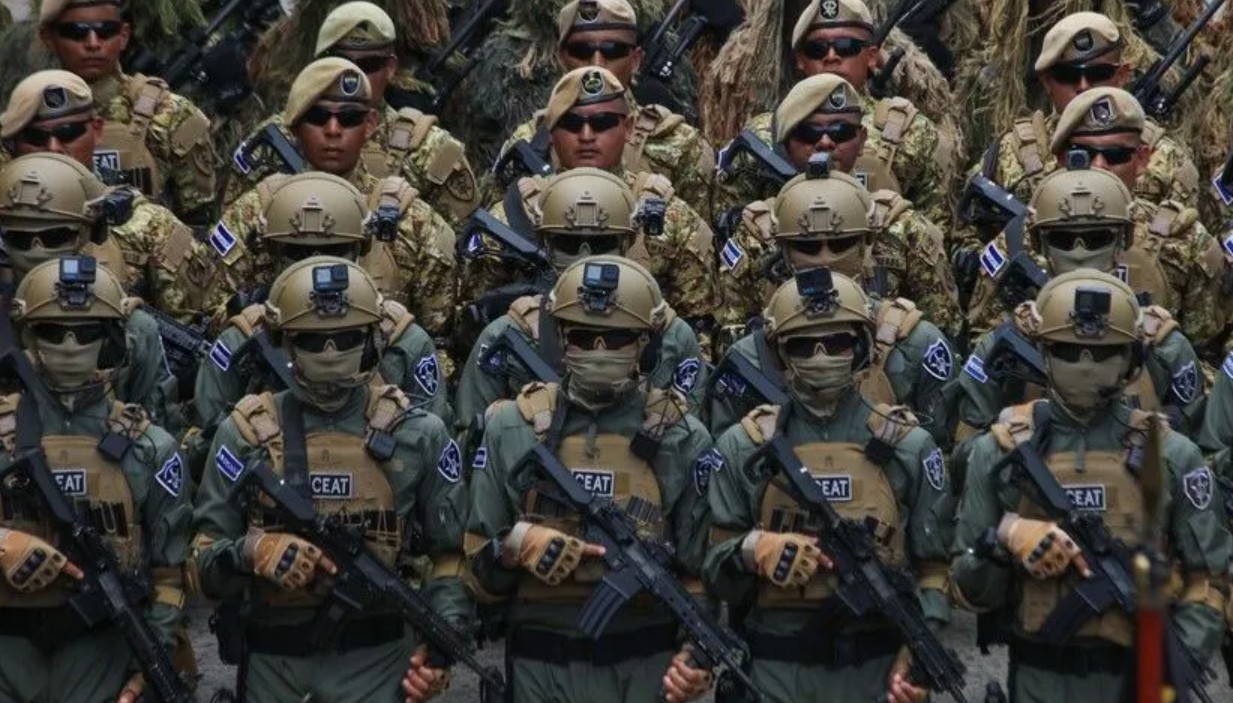
A clearer stance on the issue of rearmament came from Marta Dassù, who instead argued for the need to move beyond what she considers to be a superficial form of European pacifism. According to the Senior Advisor at Aspenia, speaking openly about rearmament is essential, because Europe must develop its own independent military capabilities and cannot continue to rely predominantly on American protection.
His vision is structured around three complementary dimensions: a European pillar within NATO, a greater capacity for collective defence, and a strong European defence industry. Europe is also called upon to prepare for a scenario in which American involvement might diminish.
It is precisely in this context that Dassù emphasised the central importance of the Franco-German axis. “Dissolving the Franco-German axis is more dangerous than losing countries such as Hungary along the way, ” he observed, emphasising that the strength of the relationship between Paris and Berlin is an essential condition for the stability of European integration. Nor does he regard Germany’s increased defence spending as a cause for concern: on the contrary, it would be wrong to interpret a Germany that is more militarily engaged as a threat to the European balance of power.
Dassù also referred to the experience of Brexit, which he said had diminished the appeal of leaving the EU for Eurosceptic movements. According to his analysis, nationalist parties today tend to lean more towards a confederal model rather than a complete breakaway from Europe.
Gentiloni: Europe must invest and regain its leading role
Paolo Gentiloni spoke on the need to strengthen the Union’s international role , calling for ambitious goals to be set in the face of the risks associated with global transformations. Europe, he argued, must break out of the ‘Brussels bubble’ and tackle new technological challenges, ranging from artificial intelligence to satellites and cybersecurity.
One of the key points of his speech was the regulation of artificial intelligence. Gentiloni urged listeners not to underestimate the importance of the AI Act, the European regulation which represents one of the most significant attempts to establish a common framework for the development and use of artificial intelligence. To illustrate the significance of the issue, he also referred to the remarks made by Pope Leo XIV on the need to govern technological transformations through rules and regulatory mechanisms.
For Gentiloni, the value of the AI Act extends beyond the regulation of the internal market: Europe’s ambition must be to influence international standards, making its regulatory capacity a tool for global influence. In this respect, the Union continues to count for something and to exert an influence that cannot be measured solely in terms of its economic or technological strength.
The former Prime Minister also reported that discussions are taking place in Brussels regarding a possible further development of the regulatory framework – referred to as an ‘AI Act 2’ – to be developed in collaboration with countries such as Canada and Australia.
Alongside the technological dimension, the military dimension remains essential. “The European issue hinges on Ukraine; we cannot lose the unity we have maintained so far just to follow Trump,” said Gentiloni. To regain its status as a global player, the EU must invest in common defence, strengthening its industrial autonomy and purchasing European products.
On this point, Gentiloni also expressed reservations regarding the increase in German military spending when it is carried out primarily on a national basis. He suggested that strengthening defence must be a European choice, rather than the sum of separate national initiatives. This also prompted a call for debate within Italian politics: why does the Democratic Party not make common European defence one of its political priorities?
Trade and the budget: the European Commission’s priorities
Speaking via video link from Brussels, Raffaele Fitto, on the other hand, emphasised trade policy and the EU’s ability to adapt its financial instruments to the new international conditions.
“This Commission has done far more than people realise on tariffs,” he stated, highlighting Europe’s role in promoting free trade. As evidence of this strategy, he cited the agreements with Mercosur and India, as well as the strengthening of relations with Canada.
The challenge now also extends to the European budget, which, according to Fitto, must become more flexible and capable of responding to increasingly dynamic international scenarios. This development is directly linked to the issue raised by Amato: without adequate common resources, the EU risks lacking the necessary tools to translate its strategic ambitions into concrete policies.
Fifteen studies to rethink the Union
The volume presented in Rome brings together fifteen studies, the result of the work carried out by the Astrid group ‘The European Union in a Changing World’, which involved over one hundred academics. The contributions cover a wide range of issues: from competitiveness to industrial policy, from defence to trade policy, including energy, debt sustainability, safe assets and fiscal governance reform.
The proposals are designed, as far as possible, to leave the Treaties unchanged: the aim is to identify tools and solutions that will enable the Union to evolve without necessarily having to wait for a further revision of its institutional architecture.
The discussion revealed a shared understanding, despite differing positions: no European country can tackle the ongoing transformations on its own. Defence, technology, competitiveness and energy security require a common approach, whilst the ability to respond to new challenges will depend on the Member States’ willingness to share resources and responsibilities.
The question of which model to follow remains open: a federal Europe, as advocated by Amato; a gradual strengthening of cooperation between states; or greater integration of defence and industrial capabilities. Time, as the speakers agreed, ‘is not on Europe’s side’. It is our task to reverse this trend.