Tariffs: when the Byzantines bowed to the Khans (and did well)
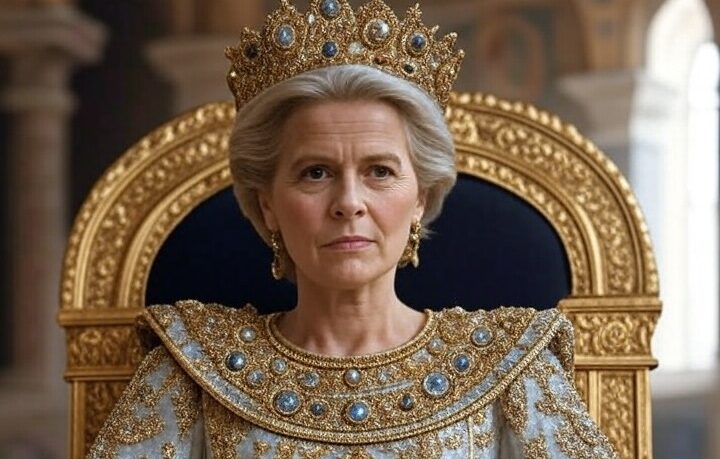
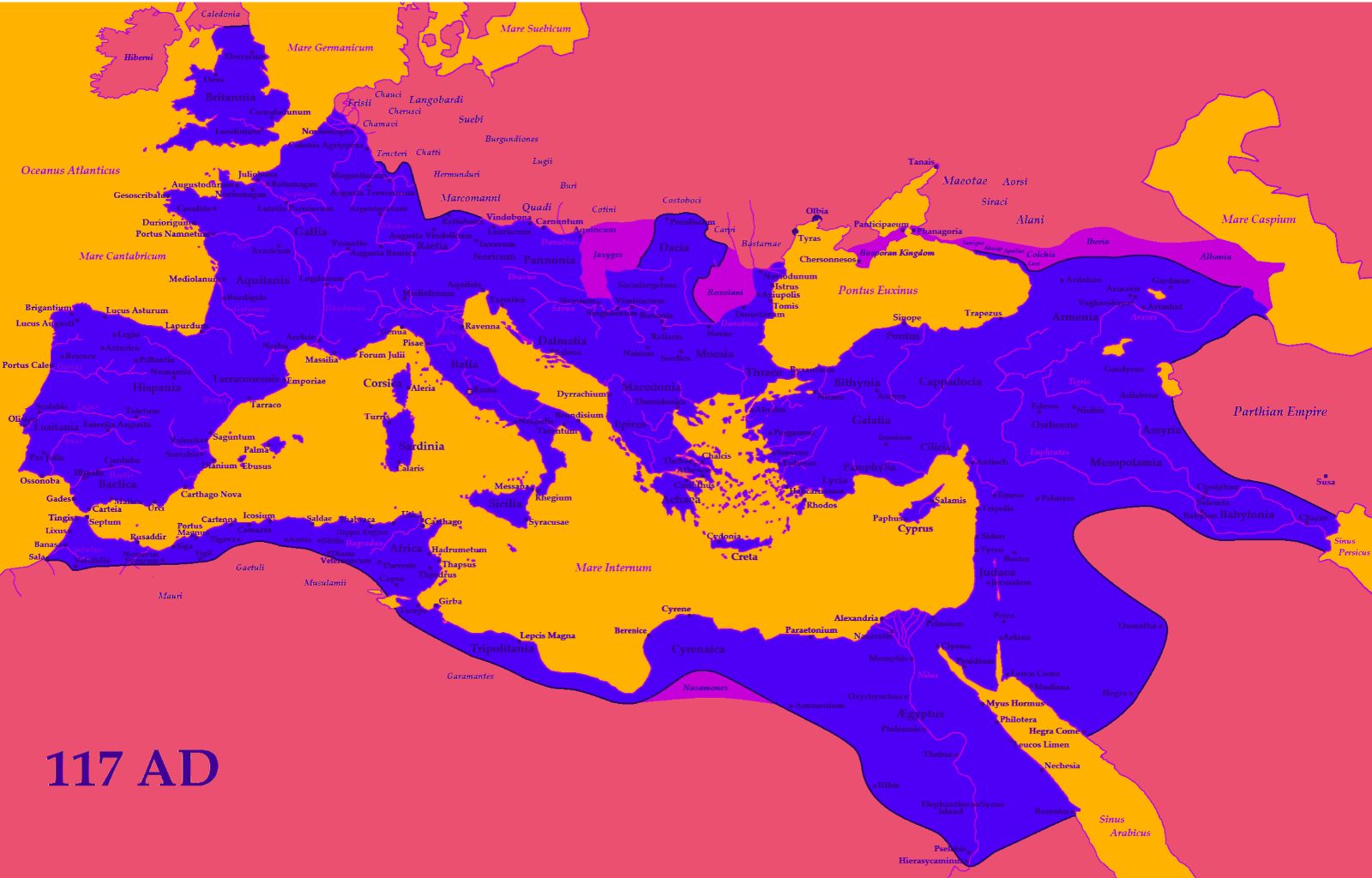
The Eastern Roman Empire did not survive more than 900 years by a whim of fate.
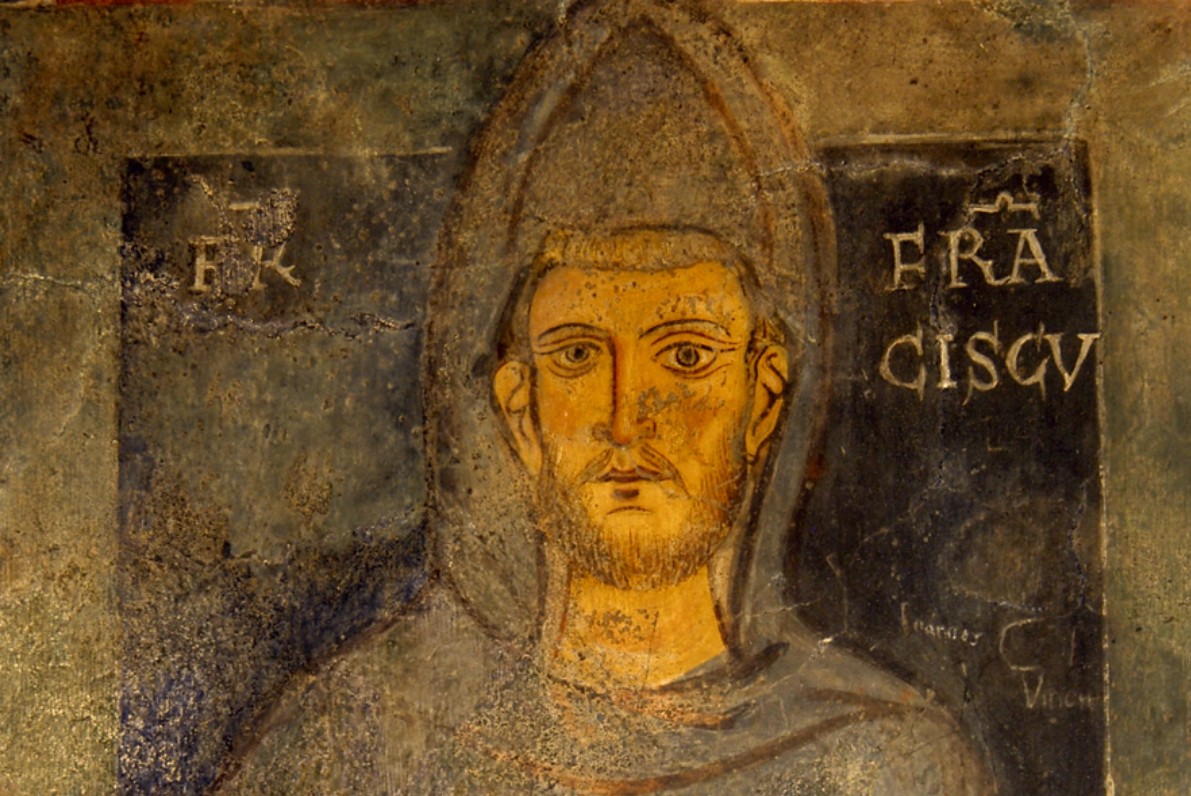
It had its instruction manuals on how to behave in times of danger, born out of the field experience of great leaders and statesmen like Mauritius or Nicephorus II.
And the first rule was: never get involved in a confrontation on two fronts.
If an attack by the Muslims in the East was underway, a simultaneous attack by the Slavs in the West had to be avoided at all costs.
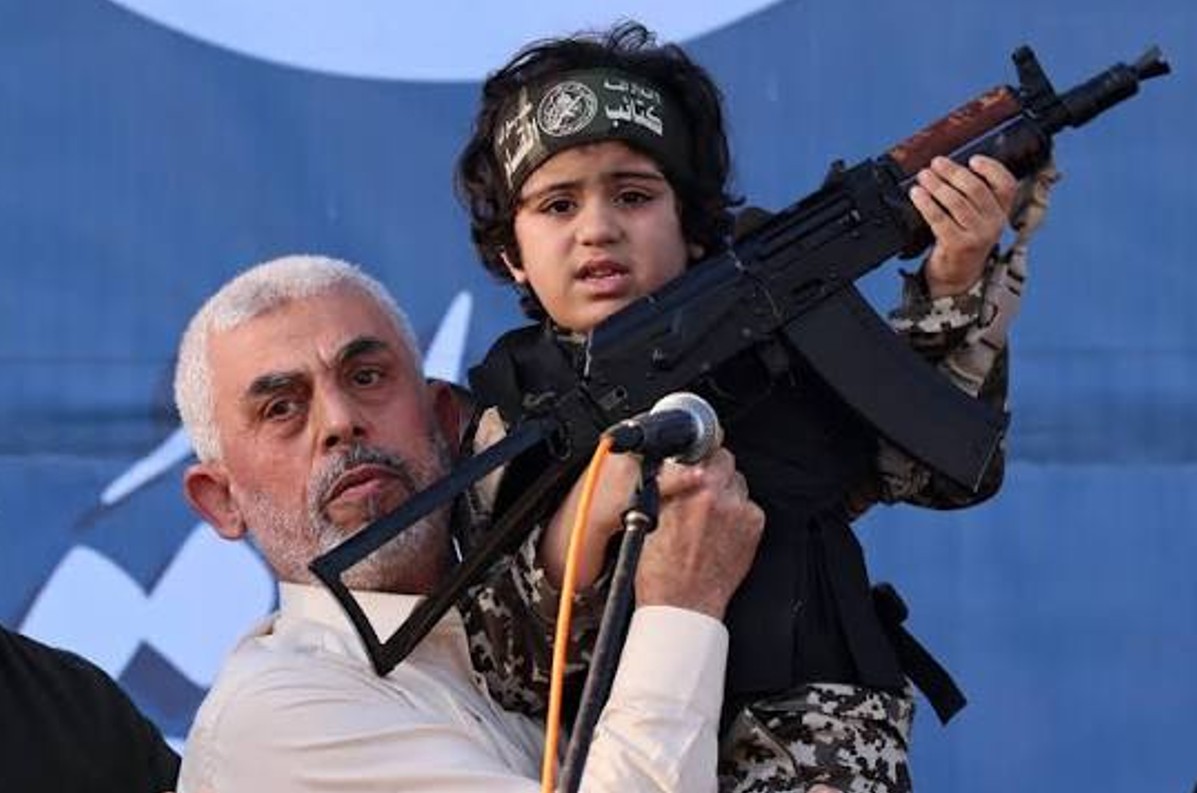
‘At all costs’ meant, for example, paying the Slavs tribute in gold delivered in humiliating ceremonies. Thanks to economic historians, we know that the annual tribute to the Slavic Khans rarely exceeded 1 per cent of the Empire’s fiscal budget: it was, in short, a great cost-benefit sham.
“At any cost” could also mean that a Slav khan was formally associated with the government of the Empire with the title ‘Kaesar’ (this is precisely why, by the way, the dukes of Muscovy were called ‘tsars’). A triumph for the khan’s internal propaganda, but with few concrete consequences for the peasant in Thessaly or Anatolia who paid taxes to the empire.
A special army unit could be formed with warriors of the enemy ethnic group, as was done with the Vikings. One could even surrender the hand of a princess or some border territory. But the important thing was to avoid double combat in the short term: in the medium and long term everything was salvageable.
Only the pressure of two titans like the Turks and the Crusaders managed to bring the old empire to its knees once and for all. But the Turks quickly absorbed their strategies, and it was only thanks to them that they survived another 600 years.
The Orange Khan and his options
Today’s Europe, like Ukraine in the smallest sense, finds itself attacked on two fronts.
On the first front there is Vladimir Putin’s regime, which for years has been pursuing the plan to subjugate by force of arms those former Soviet countries that aspired to democracy (Georgia, Belarus, Ukraine, the Baltics) by installing authoritarian governments in the rest of Europe to render it inoffensive (an operation that has so far only succeeded in Hungary and Serbia).
Compared to us, Putin can weaponize a silenced public opinion, that cannot oppose the waste of trillions of roubles and millions of lives in the expansionist adventures of his tyrant. Russia therefore, although on paper it has far fewer resources than us, unfortunately has an unwavering determination to use them all for this purpose, and in this it is a superior enemy to us.
On the second front is the sectarian movement of Donald Trump, who is trying to build a totalitarian and charismatic regime in the US and redesign relations with the rest of the world in terms of pure profit through blackmail.
Since the hard core of MAGA voters perceives no cultural or religious affinity with us Europeans, and is completely insensitive to the values of the rule of law that Europeans and Americans used to defend together, our countries are fair game in the eyes of the White House.
That the US is superior to us is a fact under every parameter: military preparedness, an almost absolute monopoly on digital technologies, the issuance of the currency of reference for the entire planet, an overabundance of energy raw materials, a true federal unity that allows them to move compactly.
Only after all these founding elements come the self-sabotage that Europe’s bloodthirsty and insecure bourgeoisie has wanted to impose on itself: renouncing nuclear power, web tax, green deal, blocking mergers between big companies, no Eurobonds, rejection of trade agreements such as Mercosur to please the agrarian entrepreneurs’ lobby, and so on.
But these self-sabotage, even if marginal, make the US gap even wider.
Now, given this disproportion, we must thank heaven that Trump has chosen two all-too-manageable, if odious, means of attacking Europe, such as stopping aid to Ukraine and tariffs on industrial products.
There are also possible worlds in which Trump suspends all sanctions against Putin and in the meantime invades Greenland, and it would not be pleasant to live in them.
A double-edged sword
Let us dwell, here, on duties. There are those who speak of an ‘extortion’ of the armed American master to the helpless European servant, and Trump, like a good Slavic Khan, has presented it to his horde in this way.
But duties, as is well known, are paid by those who impose them, not by those who suffer them.
Those that Trump had imposed so far had only weighed 17% on exporting countries: the rest weighed on Americans.
The most feared duty, that on steel, damages Italy by about 66 million euro: crumbs compared to our economy, which, moreover, is racing to finally open up to other manufacturing markets such as Mexico and India. Pessimistic estimates predict a contraction of our GDP by 0.2%, against a -1,3% of the American GDP.
As for the phantasmagorical figures of the ‘tribute in gold’ we will pay to the khan (‘600 billion in weapons and 750 billion in energy!’), they are roughly what we have already been paying since Ukraine was invaded.
No matter what they say, our so-called ‘arms lobby’ is not able to cover all the defence needs that Putin’s expansionist wars have generated, and what we cannot produce here we have to buy from overseas.
Ditto for energy: without the US, it would be difficult to find enough liquefied gas and oil for our consumption, especially if we expect gas and oil from the Gulf to replace Russian gas and oilin the homes of the Indians and Chinese.
The humiliation by Trump, then, has been there, but for now it is not irreparable. It allows us to avoid the clash on two fronts that would have crushed us, and to postpone the moment of honour, of the ‘head held high’ and the ‘rebellion against the mobster’ to quieter times.
It is no coincidence that the Japanese, who are the people with the strongest sense of honour ever, have accepted identical blackmail from Trump.
A lot may have happened two years from now: Russia may have exited the scene, Trump (who is not eternal) may have lost the Midterm elections, Brussels may have finalised free trade agreements with other parts of the world and given up some of its self-sabotage.
Let us also not underestimate the moral message that Europe gave by choosing not to react with reciprocal tariffs: ‘We remain committed to free trade and equal relations with other peoples’.
In Tokyo, in Delhi, in Jakarta, in Ottawa, in Brasilia, in Riyadh and in many other capitals this message will have been welcome. Playing dead, or playing dumb, can sometimes signal weakness to one but signal reliability to the other.
It is not wise to always live with the obsession of the here and now. The Romans knew this and treasured it for 900 years: let us also treasure it.